

What is Yin Yoga?
Yin Yoga is a slow-paced style of yoga that focuses on passive stretches, allowing the body to relax deeply into the poses. It targets the connective tissues of the body, such as ligaments, tendons, and fascia, promoting flexibility and joint health. Unlike more dynamic styles of yoga, Yin Yoga encourages practitioners to hold poses for longer durations, typically ranging from three to five minutes or even longer.
What are the Benefits of Yin Yoga?
- Increased Flexibility: Yin Yoga helps lengthen muscles and improve overall flexibility by stretching the connective tissues.
- Joint Health: By applying gentle stress to the joints, Yin Yoga can enhance circulation and promote better joint mobility.
- Stress Relief: The meditative nature of Yin Yoga encourages relaxation, reducing stress and anxiety levels.
- Mindfulness: Holding poses for an extended period allows practitioners to cultivate mindfulness and a deeper awareness of their bodies.
- Balance: Yin Yoga balances the more dynamic and active styles of yoga, providing a holistic approach to physical practice.
What Does a Yin Yoga Sequence Look Like?
A typical Yin Yoga sequence consists of several poses, each held for several minutes. Below is a sample sequence that includes commonly practiced poses:
Sample Yin Yoga Sequence
- Child’s Pose (Balasana): Start in a kneeling position, sit back on your heels, and stretch your arms forward on the mat. Hold for 3-5 minutes.
- Cat-Cow Stretch (Marjaryasana-Bitilasana): Transition to all fours, arching your back for Cow Pose, then rounding it for Cat Pose. Hold each position for 2-3 minutes.
- Butterfly Pose (Baddha Konasana): Sit with the soles of your feet together and let your knees fall out to the sides. Lean forward gently and hold for 3-5 minutes.
- Dragon Pose: Step one foot forward into a lunge while lowering the back knee. Hold for 3-5 minutes on each side.
- Saddle Pose: Sit back on your heels and lean back, allowing your torso to recline. Hold for 3-5 minutes.
- Forward Fold (Paschimottanasana): Sit with legs extended and fold forward, reaching for your feet. Hold for 3-5 minutes.
- Reclining Twist (Supta Matsyendrasana): Lie on your back, draw one knee to your chest, and guide it across your body for a gentle twist. Hold for 3-5 minutes on each side.
- Corpse Pose (Savasana): End your practice lying flat on your back, arms by your sides, allowing your body to relax completely. Hold for 5-10 minutes.
How Can You Prepare for a Yin Yoga Practice?
Preparing for a Yin Yoga practice is essential to maximize the experience. Here are some tips to help you get ready:
- Choose a Comfortable Space: Find a quiet and peaceful environment where you can practice without distractions.
- Gather Props: Use props like bolsters, blankets, or blocks for added support and comfort during poses.
- Wear Comfortable Clothing: Dress in loose-fitting, comfortable clothing to allow for easy movement and relaxation.
- Set an Intention: Before starting, take a moment to set a personal intention for your practice, whether it’s relaxation, mindfulness, or healing.
Who Can Practice Yin Yoga?
Yin Yoga is suitable for individuals of all fitness levels and backgrounds. It can be particularly beneficial for:
- Beginners: Those new to yoga can find ease in the gentle and supportive nature of Yin Yoga.
- Athletes: Athletes can use Yin Yoga to improve flexibility and joint health, aiding in recovery.
- Individuals Seeking Stress Relief: Anyone looking to unwind and reduce stress can benefit from the calming practice.
Are There Any Precautions to Take?
While Yin Yoga is generally safe, there are some precautions to consider:
- Listen to Your Body: Always pay attention to how your body feels in each pose and avoid pushing yourself too far.
- Consult a Doctor: If you have any pre-existing medical conditions or injuries, consult with a healthcare professional before starting Yin Yoga.
- Modify as Needed: Use props and modify poses to suit your comfort level and physical capabilities.
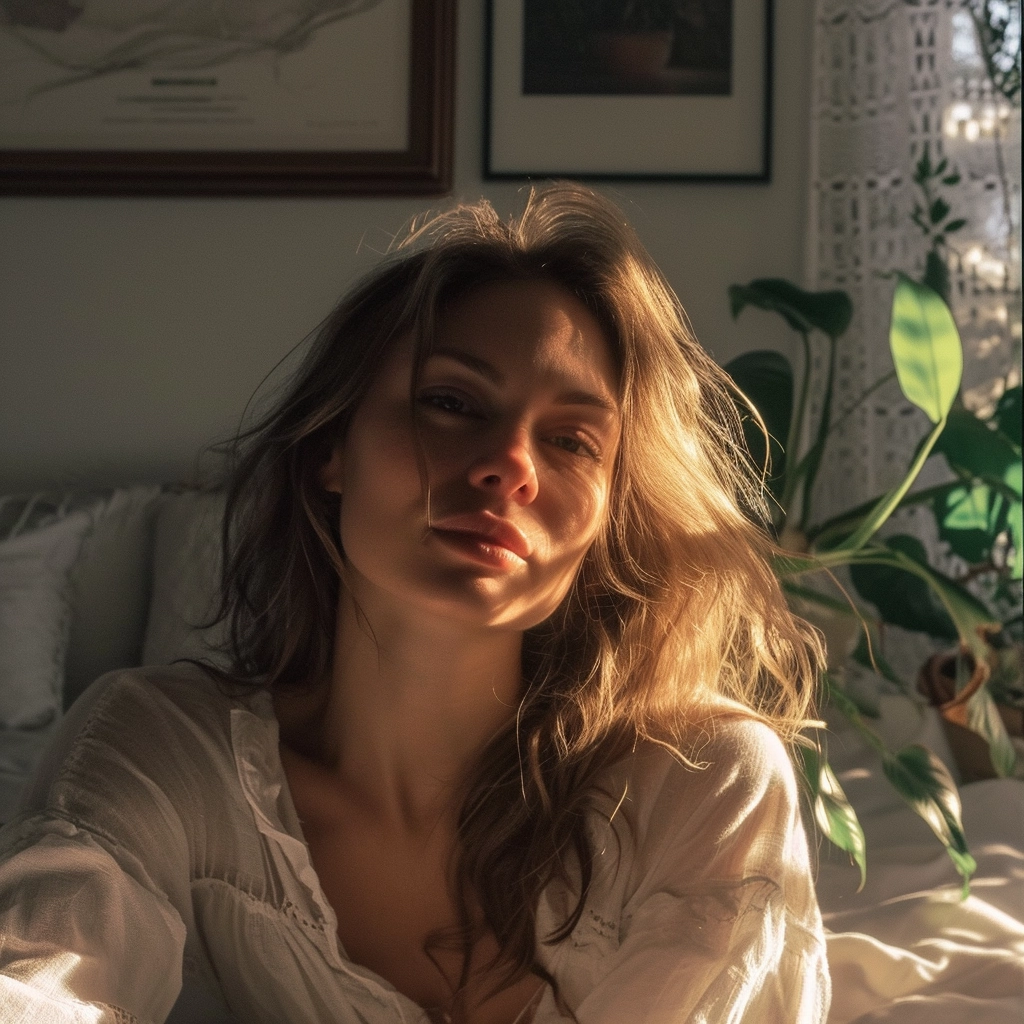
Welcome! I’m Andriana, a 25-year-old passionate meditation enthusiast who thrives on creativity and connection. With a heart that beats for the cinematic world and a mind that finds solace in the intricate dance of jigsaw puzzles, I craft stories that resonate and entertain.
This corner of the internet is my canvas, where life’s vibrant moments are painted with words and images. Join me as we explore the artistry in the everyday, from the silver screen’s glow to the simple joy of a puzzle piece perfectly placed. Let’s embrace the adventure of life together, with a touch of creativity and a lot of fun along the way.