
What is the Sun Salutation Pose?
The Sun Salutation Pose, also known as Surya Namaskar, is a series of yoga poses that are performed in a sequence. This dynamic movement is often practiced at the beginning of a yoga session to warm up the body and build strength, flexibility, and balance. It is a fundamental aspect of many yoga styles and traditions.
What are the Benefits of Sun Salutation Pose?
- Improves Flexibility: The continuous flow of movements helps stretch and lengthen the muscles, promoting overall flexibility.
- Enhances Strength: Engaging various muscle groups builds strength, especially in the core, arms, and legs.
- Boosts Circulation: The sequence stimulates blood flow, improving cardiovascular health.
- Calms the Mind: The rhythmic nature of the practice helps in reducing stress and anxiety, promoting mental clarity.
- Promotes Balance: Many poses require balance and coordination, enhancing stability over time.
What is the Sequence of Sun Salutation Pose?
The Sun Salutation consists of a series of 12 poses that flow together. Here’s a breakdown of the sequence:
- Mountain Pose (Tadasana): Stand tall with feet together, arms at your sides.
- Upward Salute (Urdhva Hastasana): Inhale and raise your arms overhead, palms together.
- Forward Bend (Uttanasana): Exhale and bend forward, bringing your hands towards the floor.
- Halfway Lift (Ardha Uttanasana): Inhale and lift your torso halfway, with a flat back.
- Plank Pose: Step or jump back into a plank position, keeping your body in a straight line.
- Chaturanga Dandasana: Lower your body into a low push-up, keeping elbows close to your sides.
- Upward Facing Dog (Urdhva Mukha Svanasana): Inhale and lift your chest, pressing the tops of your feet into the mat.
- Downward Facing Dog (Adho Mukha Svanasana): Exhale and lift your hips up and back, forming an inverted V shape.
- Halfway Lift (Ardha Uttanasana): Inhale and step or jump forward, lifting your torso halfway.
- Forward Bend (Uttanasana): Exhale and fold forward again.
- Upward Salute (Urdhva Hastasana): Inhale, raise your arms overhead once more.
- Mountain Pose (Tadasana): Exhale, returning to the standing position.
Who Can Practice Sun Salutation Pose?
The Sun Salutation Pose is suitable for individuals of all fitness levels, from beginners to advanced practitioners. However, those with specific health conditions or injuries should consult a healthcare professional before starting any new exercise regimen.
When is the Best Time to Practice Sun Salutation Pose?
- Morning: Practicing in the morning can energize the body and mind for the day ahead.
- Before Yoga Class: It serves as an excellent warm-up to prepare the body for deeper stretches and poses.
- Anytime You Need a Break: A few rounds can refresh your energy and focus during a busy day.
How to Incorporate Sun Salutation Pose into Your Routine?
To integrate Sun Salutation into your daily routine, consider the following tips:
- Start with 3 to 5 rounds and gradually increase as you become more comfortable.
- Focus on your breath, inhaling and exhaling deeply as you move through the poses.
- Use a mat for better grip and comfort.
- Incorporate variations to keep the practice engaging and tailored to your level.
What Should You Keep in Mind While Practicing Sun Salutation Pose?
- Listen to your body and avoid pushing into discomfort or pain.
- Maintain proper alignment to prevent injuries.
- Stay mindful of your breath, allowing it to guide your movements.
- Practice on an empty stomach or wait at least 2-3 hours after a meal.
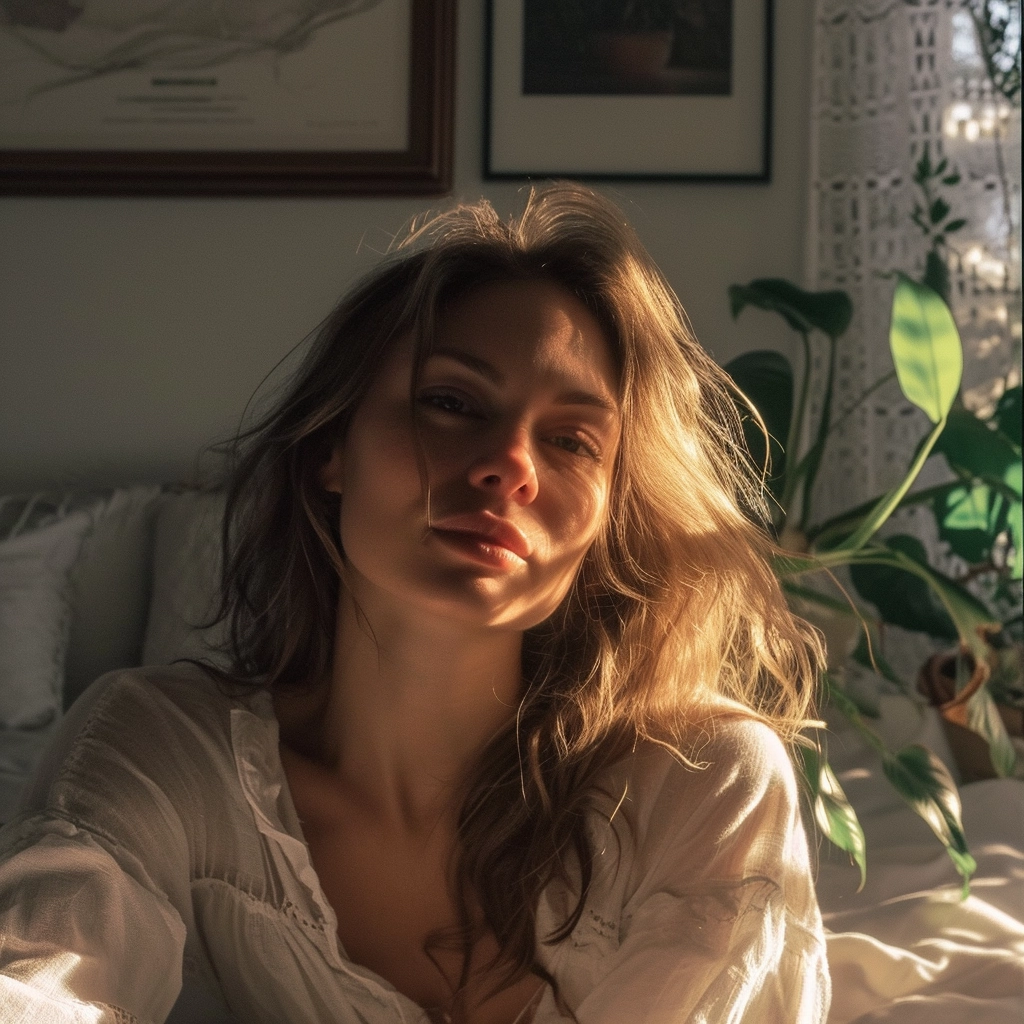
Welcome! I’m Andriana, a 25-year-old passionate meditation enthusiast who thrives on creativity and connection. With a heart that beats for the cinematic world and a mind that finds solace in the intricate dance of jigsaw puzzles, I craft stories that resonate and entertain.
This corner of the internet is my canvas, where life’s vibrant moments are painted with words and images. Join me as we explore the artistry in the everyday, from the silver screen’s glow to the simple joy of a puzzle piece perfectly placed. Let’s embrace the adventure of life together, with a touch of creativity and a lot of fun along the way.