
Sitting Cow: An Overview
What is Sitting Cow?
Sitting Cow is a unique and engaging concept that combines the serene presence of cows with the peaceful practice of meditation and mindfulness. It is often associated with wellness retreats, yoga studios, and community-driven events aimed at promoting relaxation and mental clarity.
Where Did the Concept Originate?
The concept of Sitting Cow has its roots in various cultures that revere cattle as symbols of peace and tranquility. It draws inspiration from practices in rural areas where cows are not just livestock but also integral to the community’s well-being. The practice has gained traction in urban settings, where people seek ways to reconnect with nature and find inner calm amidst the hustle and bustle of city life.
What Are the Benefits of Sitting Cow?
- Reduces Stress: Spending time with animals, particularly cows, has been shown to lower cortisol levels and reduce stress.
- Enhances Mindfulness: The act of being present with a calm animal encourages mindfulness and meditation.
- Improves Mental Health: Interaction with animals can improve mood and alleviate symptoms of anxiety and depression.
- Promotes Connection with Nature: Engaging with cows allows individuals to reconnect with the natural world.
- Encourages Community: Sitting Cow events often create a sense of community among participants, fostering connections and friendships.
How Do Sitting Cow Sessions Typically Work?
Sitting Cow sessions can vary widely depending on the setting and the goals of the participants. However, they often include the following elements:
- Guided Meditation: Sessions usually start with a guided meditation to help participants relax and focus.
- Time with Cows: Participants spend time in the presence of calm cows, allowing for quiet observation and interaction.
- Breathing Exercises: Breathing exercises may be incorporated to enhance relaxation and mindfulness.
- Group Sharing: Many sessions encourage participants to share their experiences and feelings, fostering a supportive environment.
Who Can Participate in Sitting Cow Sessions?
Sitting Cow sessions are generally open to individuals of all ages and backgrounds. They can be especially beneficial for:
- Individuals Seeking Relaxation: Those looking for effective ways to unwind and de-stress.
- Yoga Practitioners: Yogis who wish to deepen their practice by incorporating animal interactions.
- Animal Lovers: People who enjoy being around animals and want to experience the calming effects of cow companionship.
- Community Groups: Organizations seeking team-building activities that promote wellness and connection.
Are There Any Precautions to Consider?
While Sitting Cow sessions are generally safe and beneficial, there are a few precautions participants should keep in mind:
- Allergies: Individuals with allergies to animals should consult with a healthcare provider before participating.
- Fear of Animals: Those with a fear of cows or large animals should approach such sessions with caution.
- Hygiene Standards: It’s essential to ensure that the environment is clean and that the cows are well cared for.
Where Can You Find Sitting Cow Experiences?
Sitting Cow experiences are increasingly offered at various locations, including:
- Wellness Retreats: Many retreat centers incorporate animal-assisted therapy into their programs.
- Yoga Studios: Some yoga studios host special sessions that include time with cows.
- Community Farms: Farms that promote sustainable farming practices may offer Sitting Cow events.
- Online Platforms: Virtual sessions are also available for those unable to attend in person.
How Can You Get Involved?
To experience the benefits of Sitting Cow, consider the following steps:
- Research Local Offerings: Look for wellness retreats or yoga studios that provide Sitting Cow sessions.
- Join Community Groups: Engage with local community groups focused on mindfulness and animal interaction.
- Participate in Events: Attend events that promote animal-assisted therapy and mindfulness practices.
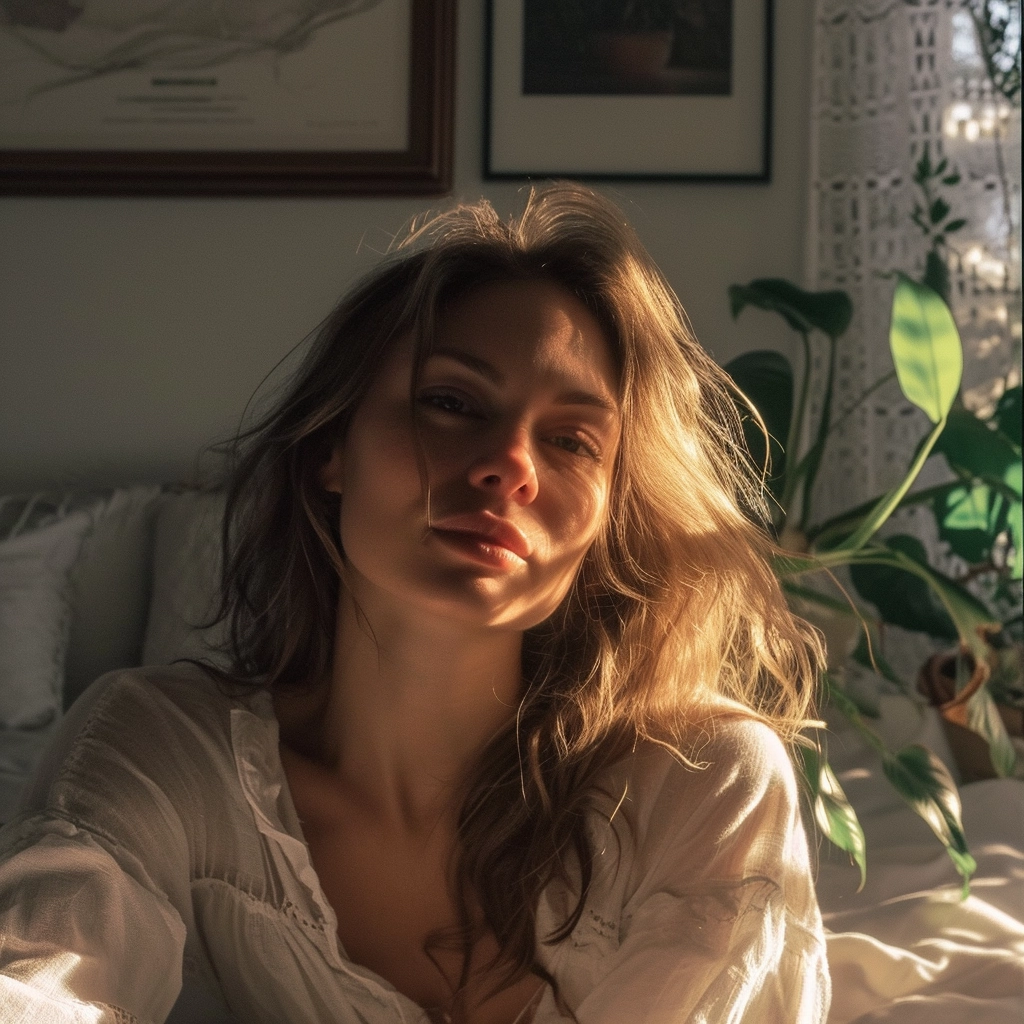
Welcome! I’m Andriana, a 25-year-old passionate meditation enthusiast who thrives on creativity and connection. With a heart that beats for the cinematic world and a mind that finds solace in the intricate dance of jigsaw puzzles, I craft stories that resonate and entertain.
This corner of the internet is my canvas, where life’s vibrant moments are painted with words and images. Join me as we explore the artistry in the everyday, from the silver screen’s glow to the simple joy of a puzzle piece perfectly placed. Let’s embrace the adventure of life together, with a touch of creativity and a lot of fun along the way.