
Sama Vritti Pranayama: The Practice of Equal Breathing
What is Sama Vritti Pranayama?
Sama Vritti Pranayama, also known as “Equal Breathing,” is a fundamental breathing technique in yoga that emphasizes balance and equanimity through breath control. The term “Sama” translates to “equal,” while “Vritti” means “fluctuation” or “movement.” This practice encourages individuals to cultivate a sense of calm and centeredness by synchronizing the inhalation and exhalation phases of breathing.
How is Sama Vritti Pranayama Practiced?
Practicing Sama Vritti Pranayama involves a few simple steps, which can be performed in a seated position or lying down. Here’s a step-by-step guide:
- Find a Comfortable Position: Sit cross-legged on the floor or in a chair with your feet flat on the ground. Make sure your back is straight and your shoulders are relaxed.
- Close Your Eyes: This helps in minimizing distractions and enhances focus on your breath.
- Inhale Deeply: Breathe in through your nose for a count of four (or any other count that feels comfortable).
- Exhale Smoothly: Breathe out through your nose for the same count you inhaled (e.g., four counts). Ensure that your exhalation is just as smooth and controlled as your inhalation.
- Establish a Rhythm: Repeat the process, maintaining equal length between inhalation and exhalation. You can gradually increase the count as you become more comfortable.
- Practice Regularly: Aim for 5 to 10 minutes daily for optimal benefits.
What are the Benefits of Sama Vritti Pranayama?
Sama Vritti Pranayama offers numerous physical, mental, and emotional benefits, including:
- Reduces Stress and Anxiety: The rhythmic nature of equal breathing helps calm the nervous system, leading to decreased levels of stress and anxiety.
- Enhances Focus and Concentration: By centering the mind through breath, practitioners can improve their concentration and mental clarity.
- Promotes Relaxation: This technique activates the parasympathetic nervous system, which promotes relaxation and a sense of peace.
- Improves Lung Capacity: Regular practice can enhance respiratory function and increase lung capacity over time.
- Balances Energy Levels: Sama Vritti Pranayama balances both the left and right hemispheres of the brain, leading to improved emotional regulation.
Who Can Practice Sama Vritti Pranayama?
Sama Vritti Pranayama is suitable for individuals of all ages and fitness levels. Whether you are a beginner or an experienced yogi, this technique can be easily adapted to your unique needs. It is particularly beneficial for:
- Individuals experiencing high levels of stress or anxiety.
- Those looking to improve their focus and mindfulness.
- People recovering from physical or emotional trauma.
- Anyone interested in enhancing their yoga practice.
Are There Any Precautions to Consider?
While Sama Vritti Pranayama is generally safe, it is essential to keep a few precautions in mind:
- If you have any respiratory conditions (like asthma or COPD), consult with a healthcare professional before starting.
- Practice in a quiet and comfortable environment to avoid distractions.
- Avoid forcing your breath; it should feel natural and effortless.
- If you feel dizzy or uncomfortable at any point, stop the practice and resume normal breathing.
When is the Best Time to Practice Sama Vritti Pranayama?
Sama Vritti Pranayama can be practiced at any time of the day. However, many find it particularly effective during:
- Mornings: To set a positive tone for the day and enhance focus.
- During Breaks: To relieve stress and recharge during a busy workday.
- Evenings: To wind down and prepare for restful sleep.
How Does Sama Vritti Pranayama Compare to Other Breathing Techniques?
Unlike some other pranayama techniques that emphasize rapid or varied breathing patterns, Sama Vritti Pranayama focuses on equalizing inhalation and exhalation. This makes it accessible and beneficial for all practitioners, providing a gentle introduction to the art of breath control. Other techniques may include:
- Nadi Shodhana: Alternate nostril breathing for balancing energy channels.
- Kapalabhati: A vigorous breathing exercise for energizing the body.
- Bhramari: Bee breath, which involves humming to calm the mind.
Incorporating Sama Vritti Pranayama into your daily routine can greatly enhance your overall well-being, providing a simple yet powerful tool for managing stress and fostering tranquility.
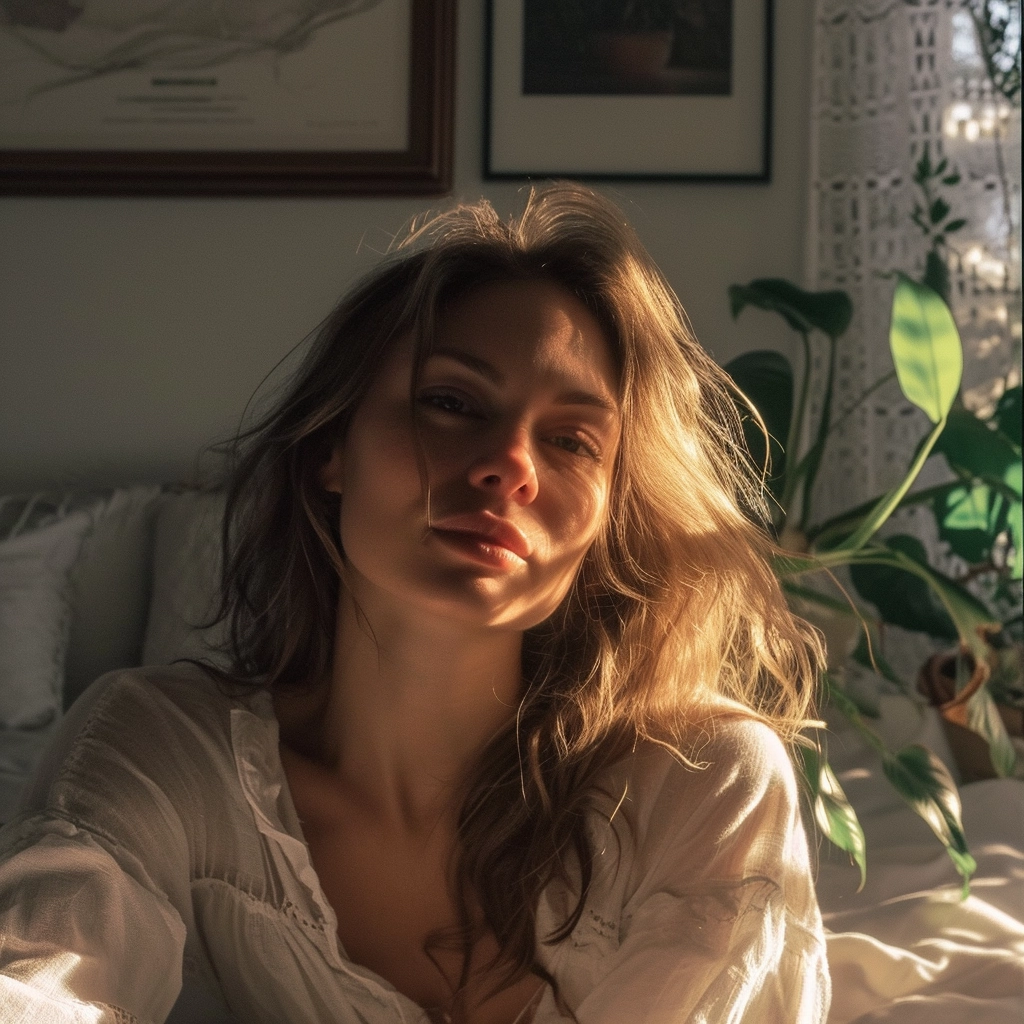
Welcome! I’m Andriana, a 25-year-old passionate meditation enthusiast who thrives on creativity and connection. With a heart that beats for the cinematic world and a mind that finds solace in the intricate dance of jigsaw puzzles, I craft stories that resonate and entertain.
This corner of the internet is my canvas, where life’s vibrant moments are painted with words and images. Join me as we explore the artistry in the everyday, from the silver screen’s glow to the simple joy of a puzzle piece perfectly placed. Let’s embrace the adventure of life together, with a touch of creativity and a lot of fun along the way.