
Understanding Prayer Poses
What are Prayer Poses?
Prayer poses refer to various physical positions or gestures that individuals adopt during prayer or meditation. These poses are often used in different spiritual and religious practices to enhance focus, devotion, and connection to the divine. Each pose can carry unique meanings and benefits, often rooted in cultural traditions.
Why Are Prayer Poses Important?
Prayer poses serve multiple purposes:
- Focus: They help practitioners concentrate on their prayers and intentions.
- Posture: Certain poses promote a sense of humility and reverence.
- Energy Flow: Some poses are believed to facilitate the flow of spiritual energy.
- Tradition: They often embody cultural or religious significance, connecting individuals to their heritage.
What Are Some Common Prayer Poses?
There are numerous prayer poses practiced around the world. Here are a few notable ones:
1. Anjali Mudra (Prayer Hands)
This pose involves bringing the palms together in front of the heart. It symbolizes unity and respect.
2. Kneeling Pose
Kneeling is a common position in many religions, representing humility and submission to a higher power.
3. Sitting Cross-Legged
This pose is prevalent in meditation practices, allowing for comfort and stability while fostering a sense of grounding.
4. Standing with Arms Raised
In many traditions, raising the arms symbolizes reaching out to the divine and receiving blessings.
5. Prostration
This deeply humble pose involves lying face down, often seen in Islamic prayer, indicating total submission to God.
How Do Different Religions Practice Prayer Poses?
Various religions incorporate specific prayer poses as part of their rituals:
Christianity
In Christianity, people often kneel or bow their heads in prayer, reflecting humility and reverence. The “Orans” position, where the arms are raised, is also common during certain liturgical prayers.
Islam
Islam emphasizes specific physical postures during Salah (prayer), including standing, bowing, and prostration, which are performed in a sequence that signifies submission and devotion.
Hinduism
In Hindu practices, Anjali Mudra is widely used, along with various hand gestures (Mudras) that are believed to channel energy and intentions during prayers and rituals.
Buddhism
Buddhists often sit in a cross-legged position for meditation and prayer, promoting stillness and mindfulness. Bowing is also common as an expression of respect.
What Are the Benefits of Practicing Prayer Poses?
Engaging in prayer poses can lead to various physical, mental, and spiritual benefits:
- Improved Focus: Prayer poses enhance concentration, allowing individuals to connect more deeply with their prayers.
- Reduced Stress: The act of prayer, combined with calming poses, can reduce anxiety and promote relaxation.
- Enhanced Flexibility: Some poses may improve physical flexibility and posture over time.
- Spiritual Connection: Engaging in these poses can foster a sense of closeness to the divine or a greater sense of purpose.
How Can One Incorporate Prayer Poses in Daily Life?
Incorporating prayer poses into your daily routine can be simple:
- Set a Routine: Choose a specific time each day for prayer and meditation.
- Create a Sacred Space: Designate an area in your home for prayer that is quiet and free from distractions.
- Practice Mindfulness: Focus on your breath and intentions while in a prayer pose.
- Explore Different Poses: Experiment with various prayer poses to find what resonates with you.
Can Prayer Poses Be Adapted for Different Needs?
Absolutely! Prayer poses can be adapted based on individual physical capabilities and preferences. For example:
- Individuals with mobility issues may use a chair for sitting poses.
- Those who find kneeling uncomfortable can choose a cross-legged position instead.
- Everyone is encouraged to modify poses to suit their comfort while maintaining the essence of the practice.
Where Can One Learn More About Prayer Poses?
To deepen your understanding of prayer poses, consider the following resources:
- Books: Look for literature on spirituality, meditation, or specific religious practices.
- Online Courses: Many platforms offer courses on meditation and prayer techniques.
- Local Communities: Joining a spiritual or religious group can provide guidance and support.
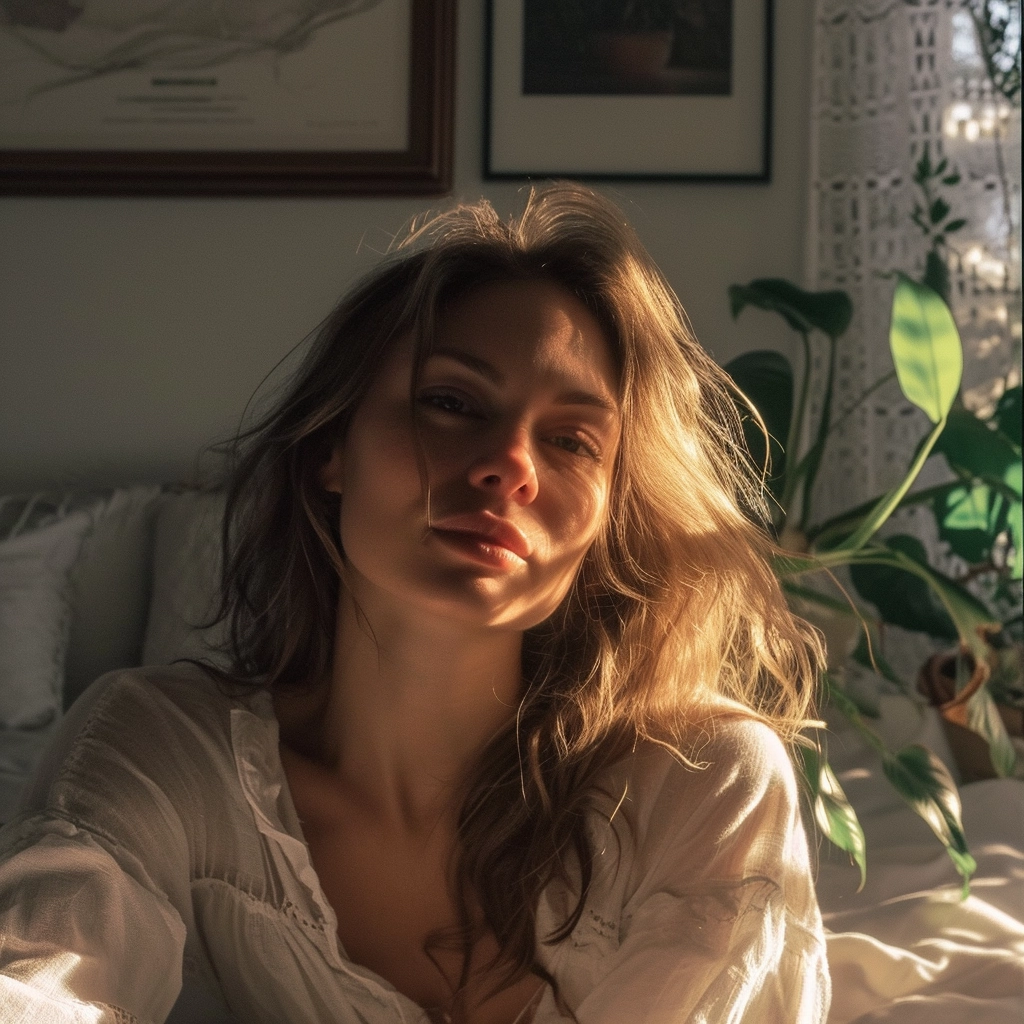
Welcome! I’m Andriana, a 25-year-old passionate meditation enthusiast who thrives on creativity and connection. With a heart that beats for the cinematic world and a mind that finds solace in the intricate dance of jigsaw puzzles, I craft stories that resonate and entertain.
This corner of the internet is my canvas, where life’s vibrant moments are painted with words and images. Join me as we explore the artistry in the everyday, from the silver screen’s glow to the simple joy of a puzzle piece perfectly placed. Let’s embrace the adventure of life together, with a touch of creativity and a lot of fun along the way.