
What is Pranamasana?
Pranamasana, also known as the Prayer Pose, is a fundamental yoga asana that represents gratitude and reverence. It is often practiced at the beginning and end of yoga sessions, serving as a way to center the mind and body.
How is Pranamasana performed?
Executing Pranamasana is simple and can be done by following these steps:
- Stand upright with your feet together, ensuring your weight is evenly distributed on both feet.
- Keep your arms relaxed at your sides.
- Inhale deeply, raising your arms overhead.
- Bring your palms together in front of your heart, pressing them firmly against each other.
- Keep your spine straight and your shoulders relaxed.
- Close your eyes and focus on your breath, maintaining this position for several breaths.
What are the benefits of Pranamasana?
Pranamasana offers a variety of benefits, both physical and mental. Some of these benefits include:
- Improves concentration: The pose encourages mindfulness and helps to focus the mind.
- Enhances posture: Practicing Pranamasana can promote better alignment and posture.
- Calms the mind: The act of bringing hands together can create a sense of peace and tranquility.
- Promotes relaxation: This pose serves as a transition to more intensive yoga practices, allowing for a moment of stillness.
- Encourages gratitude: The gesture of prayer can foster a sense of appreciation and positivity.
Who can practice Pranamasana?
Pranamasana is suitable for practitioners of all levels, from beginners to advanced yogis. It can be performed by:
- Individuals looking for a moment of mindfulness in their daily routine.
- Yoga practitioners as a warm-up or cool-down pose.
- Anyone seeking to improve their focus and mental clarity.
Are there any precautions to take while practicing Pranamasana?
While Pranamasana is generally safe for most individuals, it is important to consider the following precautions:
- If you have any prior injuries, especially in the back, neck, or shoulders, consult a healthcare provider before practicing.
- Maintain a straight posture to avoid strain on the back.
- Avoid forcing your palms together if it causes discomfort; instead, keep a slight gap between them.
How does Pranamasana fit into a larger yoga practice?
Pranamasana serves as a foundational pose in many yoga sequences. It can be used:
- As a warm-up to prepare the body and mind for more advanced postures.
- As a transitional pose between more dynamic asanas.
- At the end of a session to encourage reflection and gratitude.
Can Pranamasana be combined with breathing techniques?
Yes, Pranamasana can be effectively combined with various breathing techniques to enhance its benefits. Practicing deep, intentional breathing while in the pose can:
- Facilitate relaxation and stress relief.
- Improve lung capacity and overall respiratory function.
- Increase awareness of the breath, promoting mindfulness.
What is the significance of the gesture in Pranamasana?
The gesture of bringing the palms together in front of the heart symbolizes unity and the merging of dualities, such as the mind and body. This act of devotion is often associated with various spiritual practices, emphasizing:
- Respect for oneself and others.
- A connection to a higher power or the universe.
- Encouragement of peace and harmony within.
How can beginners incorporate Pranamasana into their routine?
Beginners can easily integrate Pranamasana into their daily routine by:
- Starting each day with a few moments in the pose to cultivate mindfulness.
- Incorporating it at the beginning or end of their yoga sessions.
- Using it as a grounding practice during moments of stress or anxiety.
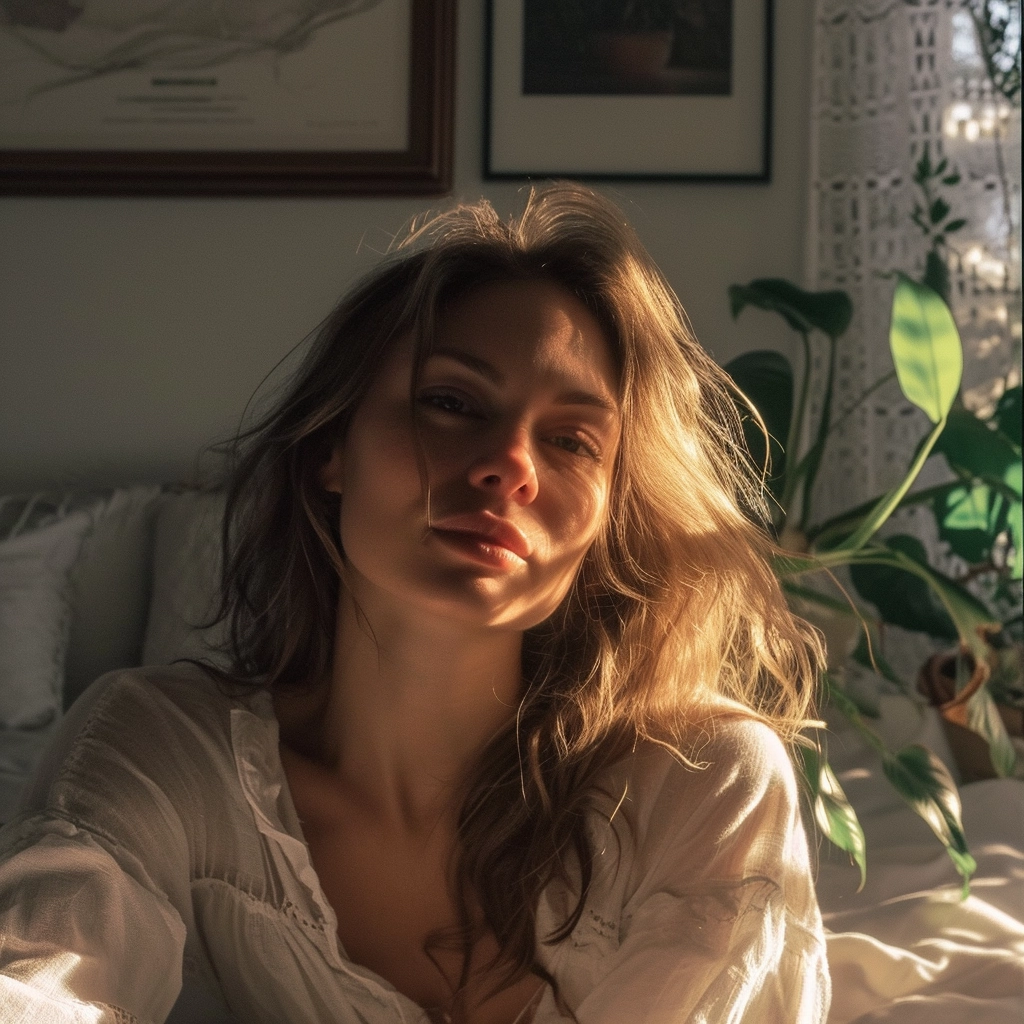
Welcome! I’m Andriana, a 25-year-old passionate meditation enthusiast who thrives on creativity and connection. With a heart that beats for the cinematic world and a mind that finds solace in the intricate dance of jigsaw puzzles, I craft stories that resonate and entertain.
This corner of the internet is my canvas, where life’s vibrant moments are painted with words and images. Join me as we explore the artistry in the everyday, from the silver screen’s glow to the simple joy of a puzzle piece perfectly placed. Let’s embrace the adventure of life together, with a touch of creativity and a lot of fun along the way.