
Understanding the Hands Together Pose
What is the Hands Together Pose?
The Hands Together Pose, commonly known as Anjali Mudra or Namaste, is a gesture that involves placing the palms together in front of the heart. This pose is widely used in yoga and meditation practices, symbolizing respect, gratitude, and unity.
What are the benefits of practicing the Hands Together Pose?
- Promotes Calmness: The pose encourages a sense of peace and tranquility, making it ideal for meditation.
- Enhances Focus: It helps to center the mind and increase concentration, preparing the practitioner for deeper meditation.
- Encourages Mindfulness: By connecting the hands at the heart center, it fosters a sense of presence and awareness.
- Improves Posture: Practicing this pose can contribute to better alignment and posture, especially when integrated into yoga routines.
- Facilitates Heart Chakra Activation: It is believed to stimulate the Anahata (Heart) chakra, promoting love and compassion.
How is the Hands Together Pose performed?
To perform the Hands Together Pose, follow these simple steps:
- Stand or sit comfortably with your spine straight and shoulders relaxed.
- Bring your palms together in front of your chest, ensuring that your fingers are pointing upwards.
- Keep your elbows slightly bent and your hands at heart level.
- Close your eyes and take deep breaths, allowing your body to relax and your mind to focus.
- Hold the pose for several breaths, feeling the connection between your palms and the energy it creates.
When is the Hands Together Pose typically used?
The Hands Together Pose is often utilized in various contexts, including:
- Yoga Classes: It is frequently used as a gesture of greeting or closing a session.
- Meditation Practices: It serves as an anchor for mindfulness and centering techniques.
- Cultural Rituals: In many cultures, the pose symbolizes respect and gratitude during prayers or ceremonies.
What are some variations of the Hands Together Pose?
While the basic Hands Together Pose is simple, there are variations that can enhance its benefits:
- Seated Anjali Mudra: Perform the pose while sitting cross-legged on the floor, which can deepen relaxation.
- Standing Anjali Mudra: Execute the pose while standing upright, which can help improve balance and stability.
- Forward Bend Anjali Mudra: Bend forward while maintaining the pose, allowing for a deeper stretch in the back and shoulders.
What is the significance of the Hands Together Pose in different cultures?
The Hands Together Pose carries different meanings across various cultures:
- Hinduism: Known as Namaste, it is a gesture of greeting and respect, acknowledging the divine within each person.
- Buddhism: The pose symbolizes reverence and humility, often used in prayer and meditation practices.
- Western Practices: In modern yoga classes, it represents unity and community among practitioners.
Can anyone practice the Hands Together Pose?
Yes, the Hands Together Pose is accessible to everyone, regardless of age or fitness level. It can be practiced standing, sitting, or even lying down, making it an inclusive gesture that can be integrated into daily life. However, individuals with wrist or shoulder injuries should consult a healthcare professional before engaging in this pose.
How can one incorporate the Hands Together Pose into daily life?
Incorporating the Hands Together Pose into your daily routine can enhance mindfulness and gratitude:
- Start or end your day with a few minutes in the pose to set intentions or reflect.
- Use the pose as a moment of pause during stressful situations, taking deep breaths to regain focus.
- Incorporate it into family rituals or gatherings to foster a sense of togetherness.
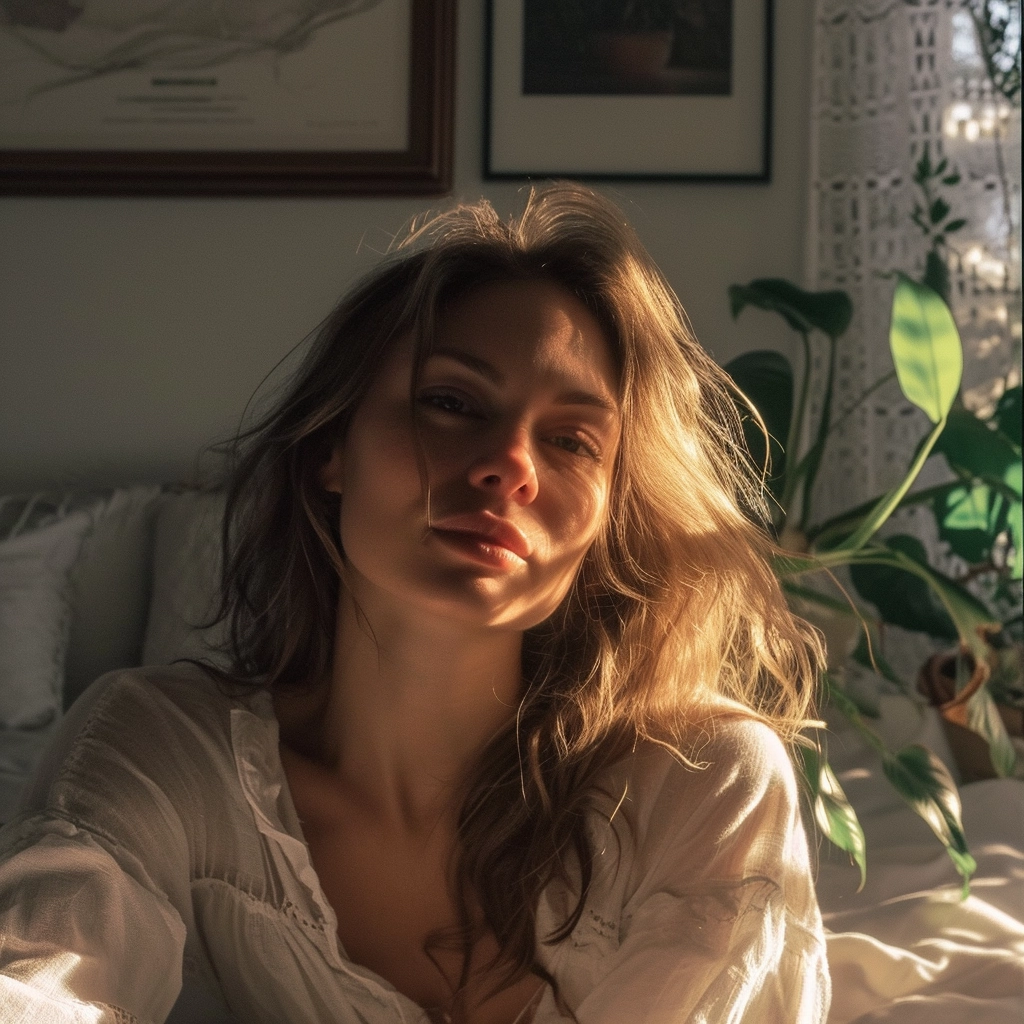
Welcome! I’m Andriana, a 25-year-old passionate meditation enthusiast who thrives on creativity and connection. With a heart that beats for the cinematic world and a mind that finds solace in the intricate dance of jigsaw puzzles, I craft stories that resonate and entertain.
This corner of the internet is my canvas, where life’s vibrant moments are painted with words and images. Join me as we explore the artistry in the everyday, from the silver screen’s glow to the simple joy of a puzzle piece perfectly placed. Let’s embrace the adventure of life together, with a touch of creativity and a lot of fun along the way.