

What is the Flower and Yoga Position?
The Flower and Yoga Position, often referred to as “Flower Pose” or “Pushpāsana,” is a unique yoga pose that combines the beauty of floral imagery with the physical benefits of yoga. This pose encourages practitioners to embody the qualities of a flower, such as openness, grace, and stability.
What are the Benefits of Flower Pose?
- Improves Flexibility: Engaging in Flower Pose stretches the hips, thighs, and lower back, enhancing overall flexibility.
- Promotes Balance: This pose requires balance and focus, thereby improving coordination and stability.
- Enhances Mental Clarity: Practicing Flower Pose can help calm the mind, facilitating better concentration and mental clarity.
- Strengthens Core Muscles: The pose engages various core muscles, contributing to better overall strength and stability.
- Encourages Deep Breathing: Flower Pose encourages deep, rhythmic breathing which can improve lung capacity and promote relaxation.
How Do You Perform the Flower Pose?
Performing the Flower Pose requires mindfulness and patience. Here’s a step-by-step guide:
- Start in a Seated Position: Sit comfortably on your yoga mat with your legs crossed. Ensure your spine is straight and shoulders are relaxed.
- Ground Yourself: Press your sit bones into the mat while rooting your feet firmly. Feel the connection between your body and the ground.
- Open Your Arms: Extend your arms out to the sides, palms facing up. Imagine your arms as the petals of a flower opening towards the sky.
- Lift Your Chest: Inhale deeply as you lift your chest and open your heart. Draw your shoulder blades down and back.
- Gaze Upward: With your arms extended, gently tilt your head back and gaze upward, embodying the essence of a flower reaching for the sun.
- Hold the Pose: Maintain this position for a few breaths, focusing on your breath and the sensations in your body.
- Release: To exit the pose, slowly bring your head back to a neutral position, lower your arms, and return to a seated position.
Who Can Practice Flower Pose?
Flower Pose is suitable for individuals of all skill levels, from beginners to advanced practitioners. However, it is particularly beneficial for:
- Yoga Enthusiasts: Those looking to deepen their practice and explore new poses.
- Individuals with Stress: Anyone seeking relief from anxiety and stress through mindfulness and yoga.
- Fitness Seekers: People aiming to improve flexibility and balance.
- Anyone Interested in Nature: Those who feel a connection to nature and want to embody its beauty.
Are There Any Precautions to Consider?
While Flower Pose is generally safe, it’s important to consider the following precautions:
- Consult with a healthcare provider if you have any pre-existing conditions or injuries.
- Avoid the pose if you experience discomfort in your lower back or neck.
- Modify the pose as needed; if it’s difficult to lift your arms, keep them at your sides.
- Practice on a non-slip yoga mat to avoid falls.
How Can You Incorporate Flower Pose into Your Yoga Practice?
To integrate Flower Pose into your routine, consider the following tips:
- Warm-Up: Begin with gentle stretches to prepare your body.
- Pair with Other Poses: Use it as a transitional pose between more challenging asanas.
- Focus on Breath: Emphasize deep breathing while holding the pose to enhance relaxation.
- Visualize: As you hold the pose, visualize blooming flowers to enhance your experience.
Where Can You Learn More About Flower Pose?
To deepen your understanding of Flower Pose and its benefits, consider the following resources:
- Yoga Classes: Attend local yoga studios or online classes that focus on gentle and restorative yoga.
- Yoga Books: Explore books that cover yoga asanas in depth, such as “Light on Yoga” by B.K.S. Iyengar.
- YouTube Tutorials: Search for video tutorials that can visually guide you through the pose.
- Yoga Apps: Use yoga apps that offer guided sessions and pose breakdowns.
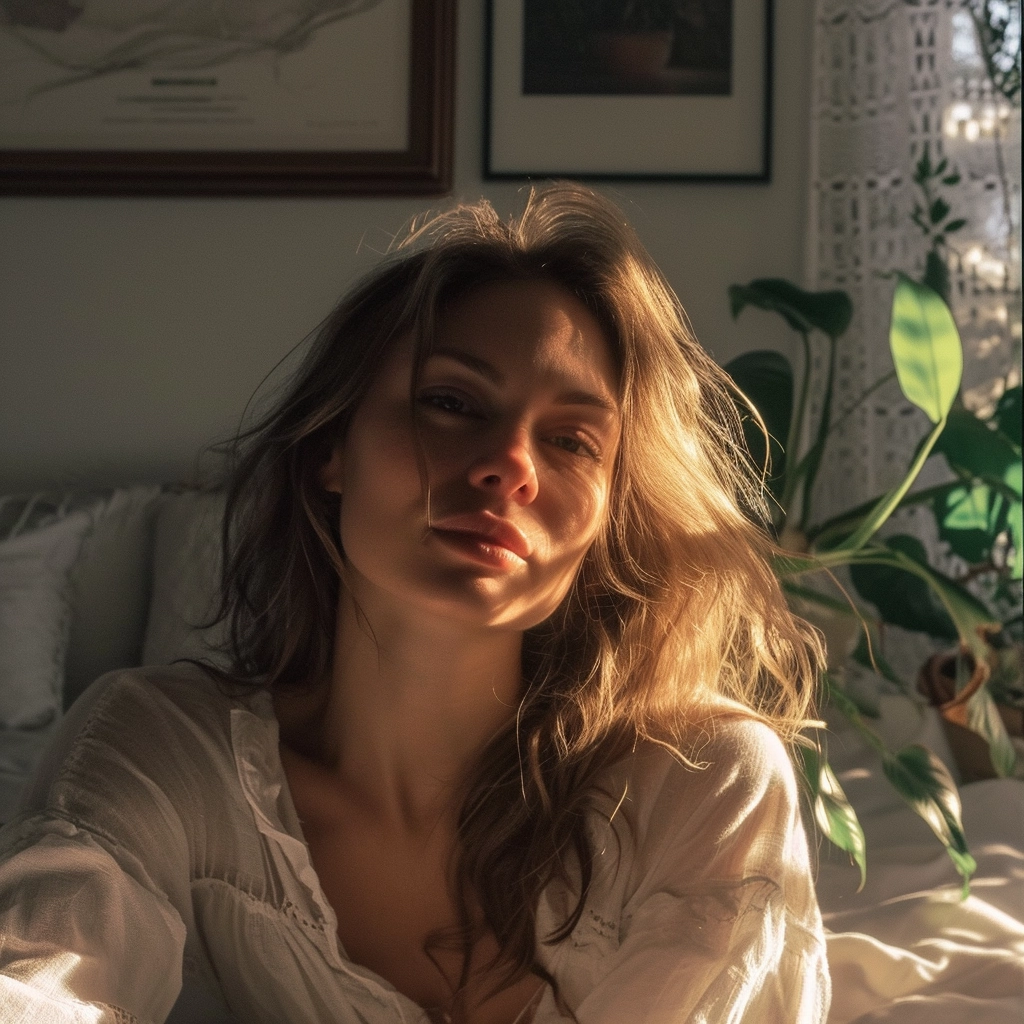
Welcome! I’m Andriana, a 25-year-old passionate meditation enthusiast who thrives on creativity and connection. With a heart that beats for the cinematic world and a mind that finds solace in the intricate dance of jigsaw puzzles, I craft stories that resonate and entertain.
This corner of the internet is my canvas, where life’s vibrant moments are painted with words and images. Join me as we explore the artistry in the everyday, from the silver screen’s glow to the simple joy of a puzzle piece perfectly placed. Let’s embrace the adventure of life together, with a touch of creativity and a lot of fun along the way.