
What is Flow Yoga?
Flow yoga, also known as Vinyasa yoga, is a dynamic practice that links breath with movement. In this style, practitioners transition smoothly from one pose to another, creating a fluid, dance-like sequence. This continuous movement not only builds strength and flexibility but also promotes mindfulness and relaxation.
What are the Benefits of Flow Yoga?
- Improved Flexibility: Flow yoga encourages stretching and lengthening of muscles, enhancing overall flexibility.
- Enhanced Strength: Many poses build muscle strength, particularly in the core, arms, and legs.
- Stress Reduction: The focus on breath and movement helps reduce stress and anxiety levels.
- Increased Endurance: Flow sequences can be physically demanding, improving cardiovascular endurance over time.
- Mindfulness and Focus: The practice encourages being present in the moment, which improves mental clarity and focus.
What are Some Common Flow Yoga Poses?
Flow yoga comprises a variety of poses that can be combined into sequences. Here are some fundamental poses commonly practiced in flow yoga:
1. Mountain Pose (Tadasana)
Mountain pose serves as a foundational stance in yoga. It promotes good posture and grounding.
2. Downward Facing Dog (Adho Mukha Svanasana)
A key pose that stretches the entire body, especially the back, hamstrings, and calves. It also strengthens the arms and legs.
3. Warrior I (Virabhadrasana I)
This pose builds strength in the legs and opens the hips and chest, fostering a sense of empowerment.
4. Warrior II (Virabhadrasana II)
Warrior II enhances balance and stability while also opening the hips and chest. It is great for building endurance.
5. Plank Pose
Plank pose strengthens the core, arms, and legs. It is often used as a transitional pose in flow sequences.
6. Chaturanga Dandasana (Four-Limbed Staff Pose)
This pose helps build upper body strength and core stability. It is often practiced before transitioning to Upward Facing Dog.
7. Upward Facing Dog (Urdhva Mukha Svanasana)
Upward facing dog opens the chest and strengthens the spine, providing a beautiful counter-pose to Downward Facing Dog.
8. Child’s Pose (Balasana)
A restorative pose that allows for relaxation and recovery. It is often used to rest between more challenging poses.
How Can Beginners Start with Flow Yoga?
Starting flow yoga can be an enriching experience for beginners. Here are some tips to get started:
- Find a Class: Look for beginner-friendly flow yoga classes in your area or online.
- Invest in a Good Mat: A non-slip yoga mat can enhance your practice.
- Learn Basic Poses: Familiarize yourself with foundational poses before attempting complex transitions.
- Focus on Breath: Pay attention to your breath; it is the foundation of flow yoga.
- Be Patient: Allow your body to adjust to the movements, and don’t rush through sequences.
What Should You Wear for Flow Yoga?
Comfortable, breathable clothing is essential for flow yoga. Here are some recommendations:
- Stretchy Fabrics: Choose materials that allow for movement and flexibility.
- Supportive Sports Bras: For women, a supportive bra is crucial for comfort during dynamic movements.
- Non-Slip Socks or Bare Feet: Most practitioners prefer to practice barefoot, but non-slip socks can be helpful.
How Often Should You Practice Flow Yoga?
For optimal benefits, practicing flow yoga 2-3 times per week is recommended. This frequency allows for muscle recovery while promoting flexibility and strength gains. However, listening to your body and adjusting your practice schedule based on your personal needs is essential.
Can Flow Yoga Be Practiced at Home?
Absolutely! Many practitioners enjoy practicing flow yoga at home. You can follow online classes, use yoga apps, or create your own sequences. Make sure to have enough space, a mat, and any props you may need, such as blocks or straps.
Is Flow Yoga Suitable for Everyone?
Flow yoga can be adapted for individuals of all fitness levels. However, those with injuries or specific health concerns should consult a healthcare professional before starting any new exercise regimen. Modifications and props can help accommodate different abilities, making flow yoga an inclusive practice.
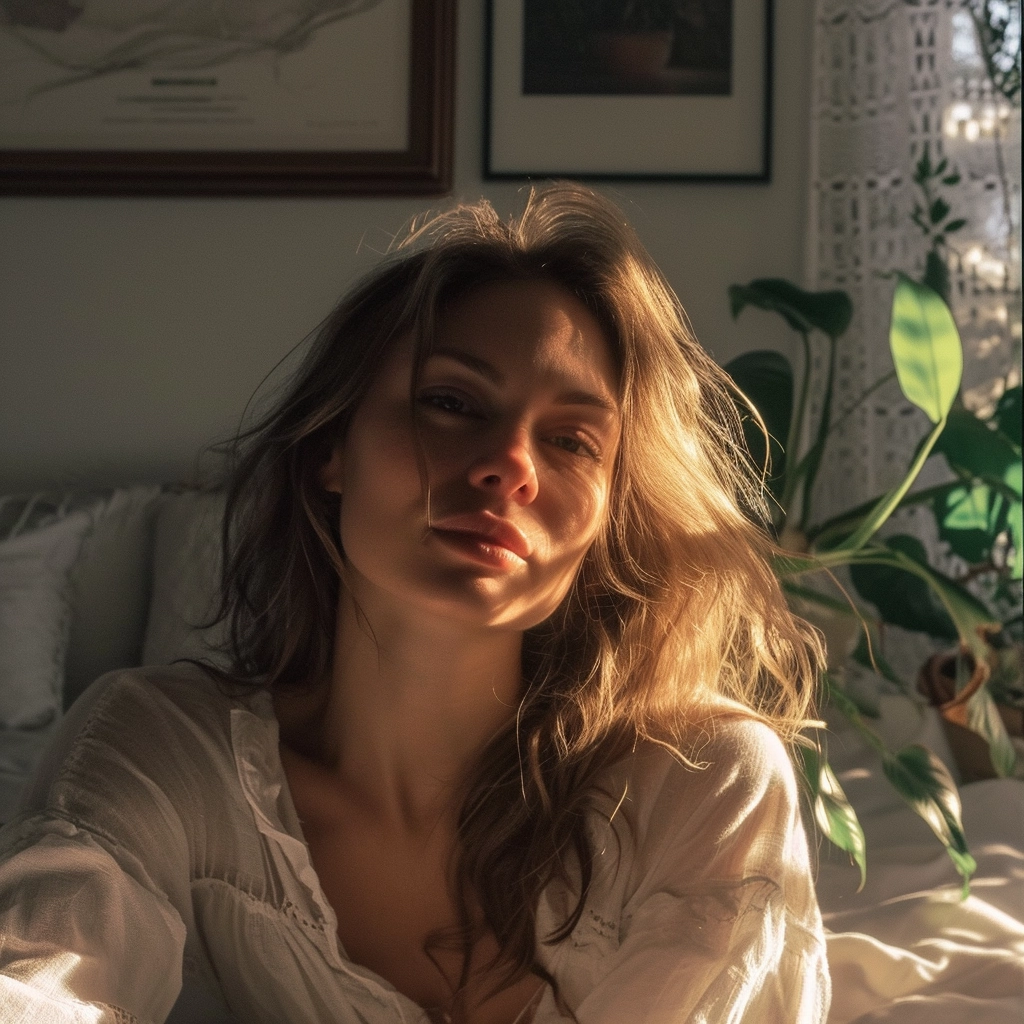
Welcome! I’m Andriana, a 25-year-old passionate meditation enthusiast who thrives on creativity and connection. With a heart that beats for the cinematic world and a mind that finds solace in the intricate dance of jigsaw puzzles, I craft stories that resonate and entertain.
This corner of the internet is my canvas, where life’s vibrant moments are painted with words and images. Join me as we explore the artistry in the everyday, from the silver screen’s glow to the simple joy of a puzzle piece perfectly placed. Let’s embrace the adventure of life together, with a touch of creativity and a lot of fun along the way.