
Dancing Warrior Yoga Sequence: A Comprehensive Guide
What is the Dancing Warrior Yoga Sequence?
The Dancing Warrior Yoga Sequence is a dynamic flow that combines traditional warrior poses with fluid movements, fostering both strength and flexibility. This sequence emphasizes the connection between breath and movement, allowing practitioners to engage their bodies in a more playful and expressive manner.
What are the key poses in the Dancing Warrior Sequence?
The sequence typically includes several key poses:
- Warrior I (Virabhadrasana I): A foundational pose that builds strength in the legs and opens the chest.
- Warrior II (Virabhadrasana II): This pose promotes stability and focus while opening the hips and shoulders.
- Reverse Warrior (Viparita Virabhadrasana): A variation of Warrior II that stretches the side body and enhances balance.
- Dancer Pose (Natarajasana): A balancing pose that combines strength, flexibility, and grace.
What are the benefits of practicing the Dancing Warrior Sequence?
Practicing the Dancing Warrior Sequence offers numerous physical and mental benefits:
- Improved strength: Engaging in the sequence helps build leg strength and core stability.
- Increased flexibility: The sequence encourages the opening of the hips, shoulders, and spine.
- Enhanced balance: The dynamic movements improve coordination and balance.
- Mindfulness: The connection between breath and movement promotes mental clarity and focus.
- Emotional release: The flowing nature of the sequence allows practitioners to express themselves and release tension.
How can beginners get started with the Dancing Warrior Sequence?
Beginners interested in the Dancing Warrior Sequence should consider the following tips:
- Warm-up: Start with gentle stretches to prepare the body for movement.
- Learn the poses: Familiarize yourself with each key pose individually before flowing through the sequence.
- Focus on alignment: Ensure proper alignment in each pose to prevent injuries and maximize benefits.
- Use props: Consider using blocks or straps to assist with balance and flexibility.
- Pace yourself: Move at your own pace, focusing on your breath and maintaining a comfortable rhythm.
What is the typical structure of a Dancing Warrior Yoga class?
A typical Dancing Warrior Yoga class may follow this structure:
- Opening meditation: Begin with a brief meditation to center the mind and set intentions.
- Warm-up: Engage in gentle movements and stretches to prepare the body.
- Dancing Warrior Sequence: Flow through the key poses, connecting breath with movement.
- Cool down: Transition into restorative poses to relax the body and mind.
- Closing meditation: End the class with a short meditation or reflection on the practice.
How often should one practice the Dancing Warrior Sequence?
For optimal benefits, practitioners are encouraged to incorporate the Dancing Warrior Sequence into their routine:
- 2-3 times a week: This frequency allows for consistent practice while providing time for recovery.
- As part of a diverse routine: Integrate this sequence with other styles of yoga or fitness to maintain balance in your practice.
- Listen to your body: Adjust frequency based on your energy levels and physical condition.
Can the Dancing Warrior Sequence be adapted for different fitness levels?
Yes, the Dancing Warrior Sequence can be easily adapted:
- For beginners: Emphasize foundational poses and use props for support.
- For advanced practitioners: Incorporate deeper variations of the poses and increase the fluidity of transitions.
- For those with injuries: Modify poses to accommodate limitations and avoid strain.
Where can practitioners find resources for Dancing Warrior Yoga?
Practitioners can explore various resources to enhance their Dancing Warrior Yoga practice:
- YouTube: Numerous yoga instructors offer free classes and tutorials online.
- Yoga studios: Many local studios provide classes specifically focused on dynamic yoga sequences.
- Online platforms: Websites and apps dedicated to yoga often feature guided sequences and instructional videos.
- Books and guides: Look for yoga books that delve into sequences and pose variations.
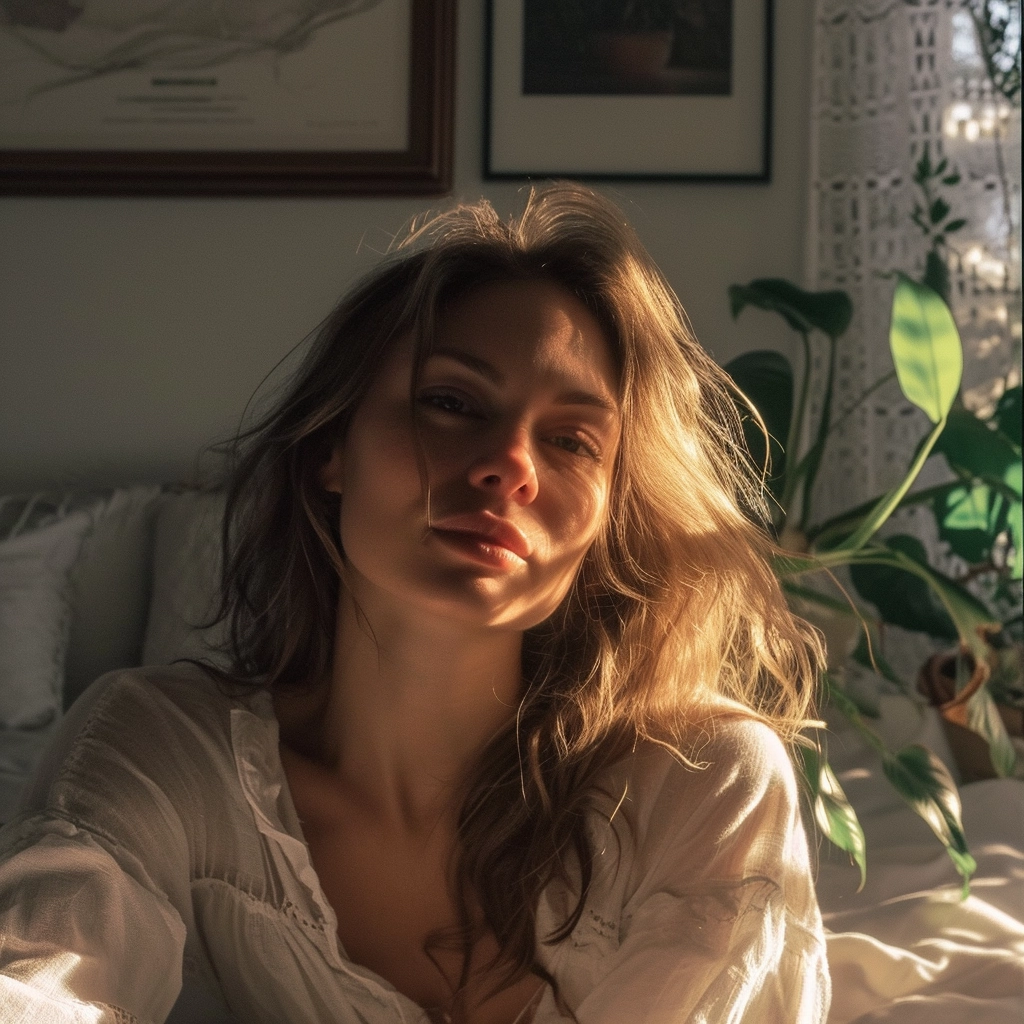
Welcome! I’m Andriana, a 25-year-old passionate meditation enthusiast who thrives on creativity and connection. With a heart that beats for the cinematic world and a mind that finds solace in the intricate dance of jigsaw puzzles, I craft stories that resonate and entertain.
This corner of the internet is my canvas, where life’s vibrant moments are painted with words and images. Join me as we explore the artistry in the everyday, from the silver screen’s glow to the simple joy of a puzzle piece perfectly placed. Let’s embrace the adventure of life together, with a touch of creativity and a lot of fun along the way.