
What is the Curled Up Pose?
The Curled Up Pose, also known as “Balasana” or “Child’s Pose,” is a resting yoga posture that promotes relaxation and introspection. This pose resembles a child curling up into a fetal position, which is where it gets its name. It is often practiced in various yoga classes and is favored for its calming effects on the body and mind.
What are the benefits of practicing the Curled Up Pose?
- Relaxation: The Curled Up Pose is known for its ability to promote deep relaxation, making it an excellent pose to alleviate stress and anxiety.
- Stretching: This pose provides a gentle stretch to the spine, hips, and thighs, helping to relieve tension in these areas.
- Improved Circulation: By resting the forehead on the ground, this pose encourages blood flow to the brain, enhancing mental clarity and focus.
- Enhanced Flexibility: Regular practice can increase flexibility in the back and hips, which is beneficial for overall mobility.
- Grounding: The posture promotes a sense of grounding and stability, helping to center the mind and body.
How do you perform the Curled Up Pose?
To practice the Curled Up Pose, follow these simple steps:
- Start Position: Begin in a kneeling position on your yoga mat.
- Knees Apart: Gently separate your knees, allowing your torso to sink between them.
- Folding Forward: Exhale as you fold forward, resting your forehead on the mat.
- Arms Position: Extend your arms in front of you, palms facing down, or let them rest alongside your body, palms facing up.
- Breath: Close your eyes and take deep, slow breaths, focusing on relaxing your body and mind.
Who can benefit from the Curled Up Pose?
The Curled Up Pose is suitable for a wide range of individuals, including:
- Beginners: It is an accessible pose for those new to yoga, requiring minimal flexibility and strength.
- Yoga Practitioners: Regular practitioners can use this pose for recovery and relaxation during or after more intense sessions.
- Individuals with Stress: Those experiencing stress or anxiety can find solace in this calming position.
- Prenatal Yogis: Pregnant individuals may find this pose comfortable as it alleviates pressure on the lower back.
Are there any precautions to consider?
While the Curled Up Pose is generally safe, some individuals should take precautions:
- Knee Pain: Those with knee injuries or chronic knee pain should modify the pose or avoid it altogether.
- Pregnancy: Pregnant women should consult their healthcare provider before practicing this pose, especially in later trimesters.
- Back Issues: Individuals with severe back problems should seek guidance from a qualified instructor.
How can you modify the Curled Up Pose?
If you find the traditional version of the Curled Up Pose uncomfortable, consider these modifications:
- Use a Blanket: Place a folded blanket under your knees or forehead for added comfort.
- Chair Variation: Sit in a chair with your feet flat on the ground, leaning forward to rest your arms on the seat.
- Wide Knees: Separate your knees wider apart to create more space for your torso.
When is the best time to practice the Curled Up Pose?
The Curled Up Pose can be practiced at any time, but it is especially beneficial:
- During Yoga Classes: As a restorative pose at the end of a session.
- At Home: When feeling stressed or overwhelmed, to regain composure.
- Before Bed: To relax the body and mind before sleep.
Can the Curled Up Pose enhance mindfulness?
Yes, practicing the Curled Up Pose encourages mindfulness by:
- Focusing on Breath: The pose fosters awareness of breathing patterns, promoting relaxation.
- Encouraging Presence: It allows individuals to be present in the moment, letting go of distractions.
- Facilitating Introspection: The positioning encourages self-reflection and contemplation.
Overall, the Curled Up Pose is a versatile and beneficial yoga position that can enhance both physical and mental well-being. Whether you are a beginner or an experienced yogi, incorporating this pose into your practice can lead to greater relaxation and a deeper connection with yourself.
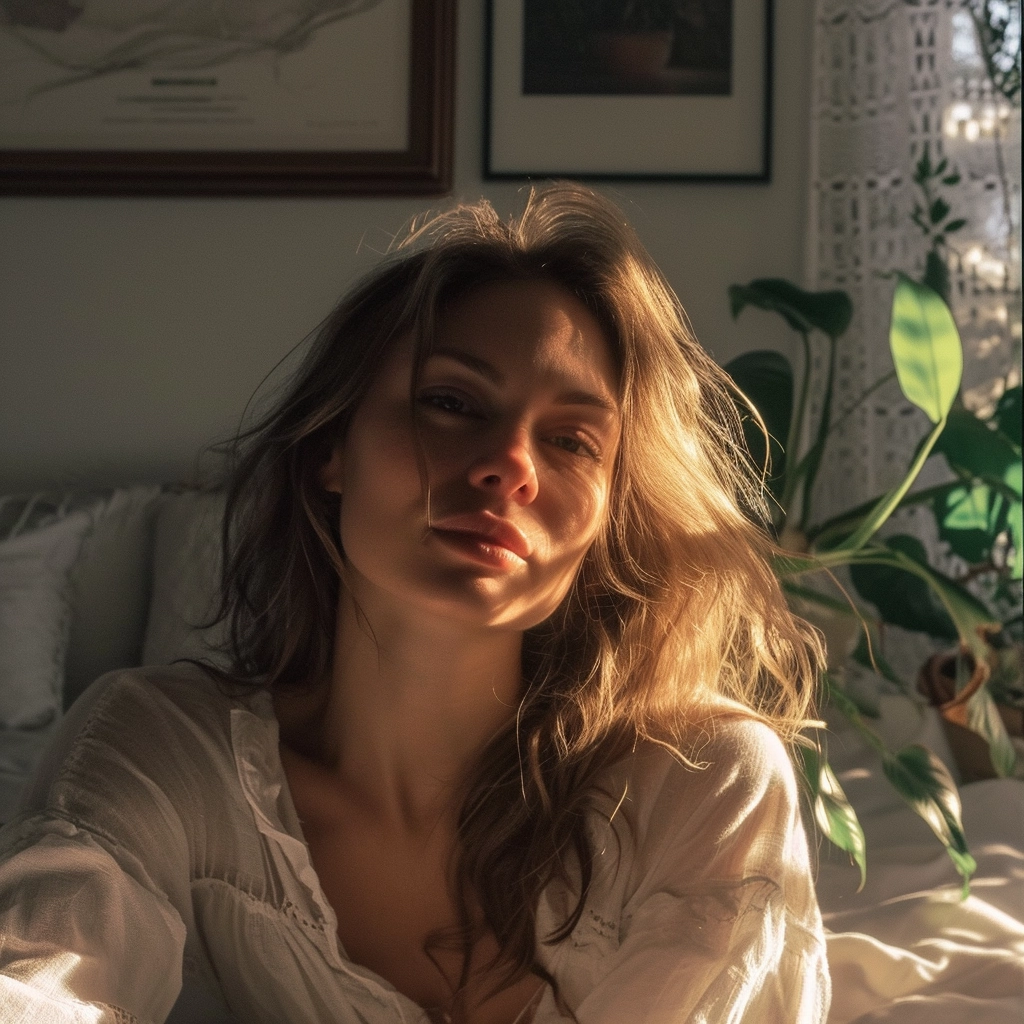
Welcome! I’m Andriana, a 25-year-old passionate meditation enthusiast who thrives on creativity and connection. With a heart that beats for the cinematic world and a mind that finds solace in the intricate dance of jigsaw puzzles, I craft stories that resonate and entertain.
This corner of the internet is my canvas, where life’s vibrant moments are painted with words and images. Join me as we explore the artistry in the everyday, from the silver screen’s glow to the simple joy of a puzzle piece perfectly placed. Let’s embrace the adventure of life together, with a touch of creativity and a lot of fun along the way.