
Bumble Bee Breath: A Deep Dive into the Technique
What is Bumble Bee Breath?
Bumble Bee Breath, also known as “Bhramari,” is a ancient yogic breathing technique that mimics the sound of a humming bee. The practice is named after the bumblebee due to the characteristic buzzing sound produced during the exhalation phase. It is commonly used in yoga and meditation to promote relaxation and mental clarity.
How is Bumble Bee Breath Practiced?
The technique is simple and can be performed anywhere. Here’s a step-by-step guide to practicing Bumble Bee Breath:
- Find a Comfortable Position: Sit in a comfortable position, either cross-legged on the floor or in a chair with your feet flat on the ground.
- Close Your Eyes: Gently close your eyes to minimize distractions and enhance your focus.
- Take a Deep Breath: Inhale deeply through your nose, filling your lungs completely.
- Prepare to Exhale: Close your ears with your thumbs and place your index and middle fingers on your forehead, creating a gentle pressure.
- Buzz It Out: Exhale slowly while humming like a bee, allowing the sound to resonate in your head. Repeat this for 5 to 10 breaths.
What Are the Benefits of Bumble Bee Breath?
Bumble Bee Breath offers various physical and mental health benefits, including:
- Reduces Stress: The humming sound helps to calm the mind and reduce anxiety levels.
- Improves Focus: The practice enhances concentration and mental clarity, making it a great tool for meditation.
- Enhances Respiratory Function: Regular practice can help improve lung capacity and respiratory health.
- Promotes Relaxation: The vibrations produced by humming can induce a deep state of relaxation.
- Balances Emotions: It can help in regulating emotional responses and promoting a sense of well-being.
Who Can Practice Bumble Bee Breath?
Almost anyone can practice Bumble Bee Breath. It is particularly beneficial for:
- Beginners in Yoga: This technique is easy to learn and does not require any prior yoga experience.
- Individuals Experiencing Stress: Those dealing with anxiety or stress can find relief through this calming practice.
- People Seeking Mental Clarity: Students and professionals looking to improve focus and concentration may benefit significantly.
- Anyone Interested in Meditation: It can serve as a great introductory technique for those new to meditation.
Are There Any Precautions to Take?
While Bumble Bee Breath is generally safe, there are a few precautions to consider:
- Avoid if You Have Ear Issues: Those with ear infections or other auditory problems should avoid this technique due to the pressure on the ears.
- Consult a Doctor: If you have any existing health conditions, especially respiratory issues, consult a healthcare professional before starting.
- Practice in a Quiet Environment: Noise can be distracting; choose a peaceful place for the practice to enhance its effectiveness.
How Often Should You Practice Bumble Bee Breath?
The frequency of practice depends on individual goals and schedules. However, many practitioners recommend:
- Daily practice for optimal results.
- 5 to 10 minutes of Bumble Bee Breath as a part of your morning routine to set a positive tone for the day.
- Utilizing the technique during stressful moments or as a break during work hours to regain focus.
Can Bumble Bee Breath Be Combined with Other Practices?
Absolutely! Bumble Bee Breath can be effectively combined with other yoga and meditation practices, such as:
- Meditation: Use it as a warm-up to prepare the mind for a deeper meditation session.
- Yoga Asanas: Incorporate it before or after yoga poses to enhance relaxation and mindfulness.
- Mindfulness Practices: Engage in mindfulness exercises post-Bumble Bee Breath to deepen self-awareness.
Where Can You Learn More About Bumble Bee Breath?
For those interested in exploring Bumble Bee Breath further, consider the following resources:
- Yoga Classes: Many yoga studios offer classes that include breathing techniques.
- Online Tutorials: Look for instructional videos on platforms like YouTube.
- Books on Yoga and Breathing Techniques: Numerous books provide deeper insights into pranayama and related practices.
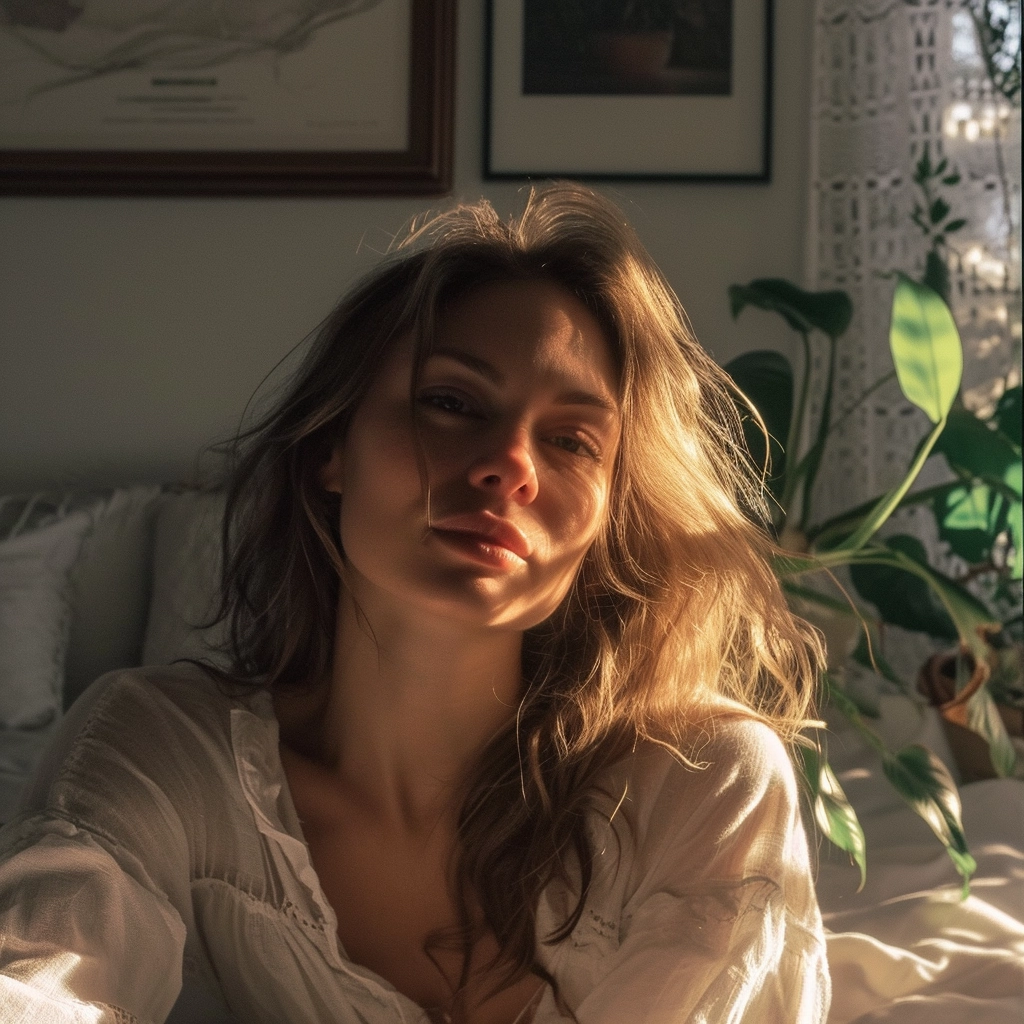
Welcome! I’m Andriana, a 25-year-old passionate meditation enthusiast who thrives on creativity and connection. With a heart that beats for the cinematic world and a mind that finds solace in the intricate dance of jigsaw puzzles, I craft stories that resonate and entertain.
This corner of the internet is my canvas, where life’s vibrant moments are painted with words and images. Join me as we explore the artistry in the everyday, from the silver screen’s glow to the simple joy of a puzzle piece perfectly placed. Let’s embrace the adventure of life together, with a touch of creativity and a lot of fun along the way.