
What is Bhadrasana?
Bhadrasana, also known as the Gracious Pose or the Auspicious Pose, is a seated posture in yoga that promotes physical stability and mental tranquility. The name “Bhadra” translates to “auspicious” or “gracious,” reflecting the pose’s positive effects on the body and mind.
How to Perform Bhadrasana?
To practice Bhadrasana, follow these steps:
- Start Position: Sit on the floor with your legs extended in front of you.
- Fold the Legs: Bend your knees and bring your feet towards your pelvis. Let your knees drop out to the sides.
- Foot Position: Bring the soles of your feet together, making sure they touch.
- Posture Alignment: Keep your spine straight and engage your core. Sit up tall with your shoulders relaxed.
- Hand Placement: Place your hands on your knees or in your lap, palms facing upward or downward.
- Breathing: Close your eyes and take deep, slow breaths, focusing on your breath and maintaining a calm mind.
What are the Benefits of Bhadrasana?
Bhadrasana offers a range of physical and mental benefits:
- Improves Flexibility: The pose stretches the inner thighs, groin, and knees, increasing overall flexibility.
- Strengthens the Back: Sitting tall in this pose helps strengthen the spine and improve posture.
- Enhances Circulation: The position encourages better blood flow to the lower body.
- Calms the Mind: Practicing Bhadrasana promotes relaxation and reduces stress, making it beneficial for meditation.
- Stimulates Digestive Organs: The seated position can aid in digestion and help alleviate digestive issues.
- Balances Energy: Bhadrasana helps harmonize body energies, promoting a sense of balance and well-being.
Who Should Practice Bhadrasana?
Bhadrasana is suitable for various practitioners, but some individuals should approach it with caution:
- Beginners: Ideal for those new to yoga, as it requires minimal flexibility and strength.
- Those with Knee Issues: Individuals with knee pain or injury should modify the pose or consult a teacher.
- Pregnant Women: Bhadrasana can be practiced during pregnancy but may require modifications for comfort.
- Advanced Practitioners: Those with more experience can explore deeper variations and transitions.
Are there any Precautions for Bhadrasana?
While Bhadrasana is generally safe, practitioners should keep the following precautions in mind:
- Do not force your knees down if you feel pain; instead, use props like cushions for support.
- Avoid practicing if you have severe hip or knee injuries.
- Listen to your body and only hold the pose for as long as it feels comfortable.
- Consult a healthcare provider if you have any underlying health conditions or concerns.
How does Bhadrasana compare to other yoga poses?
Bhadrasana is often compared to other seated poses in yoga:
- Vs. Sukhasana (Easy Pose): Both poses are grounding, but Bhadrasana targets inner thighs more directly.
- Vs. Padmasana (Lotus Pose): Padmasana requires greater flexibility and may not be accessible for all, while Bhadrasana is more inclusive.
- Vs. Vajrasana (Thunderbolt Pose): Vajrasana is performed on the heels, offering a different alignment and benefits.
Can Bhadrasana be incorporated into daily practice?
Absolutely! Bhadrasana can easily be integrated into your daily yoga routine. It’s a versatile pose that can be practiced during warm-ups, cool-downs, or as part of a meditation session. Consistent practice can enhance its benefits over time.
What modifications can be made for Bhadrasana?
If you find it difficult to achieve the full pose, consider these modifications:
- Use a Cushion: Sit on a cushion or folded blanket to lift your hips and reduce strain on your knees.
- Support Your Knees: Place yoga blocks or rolled towels under your knees for extra support.
- Adjust Foot Position: If bringing your feet together is challenging, keep them slightly apart while still maintaining the pose.
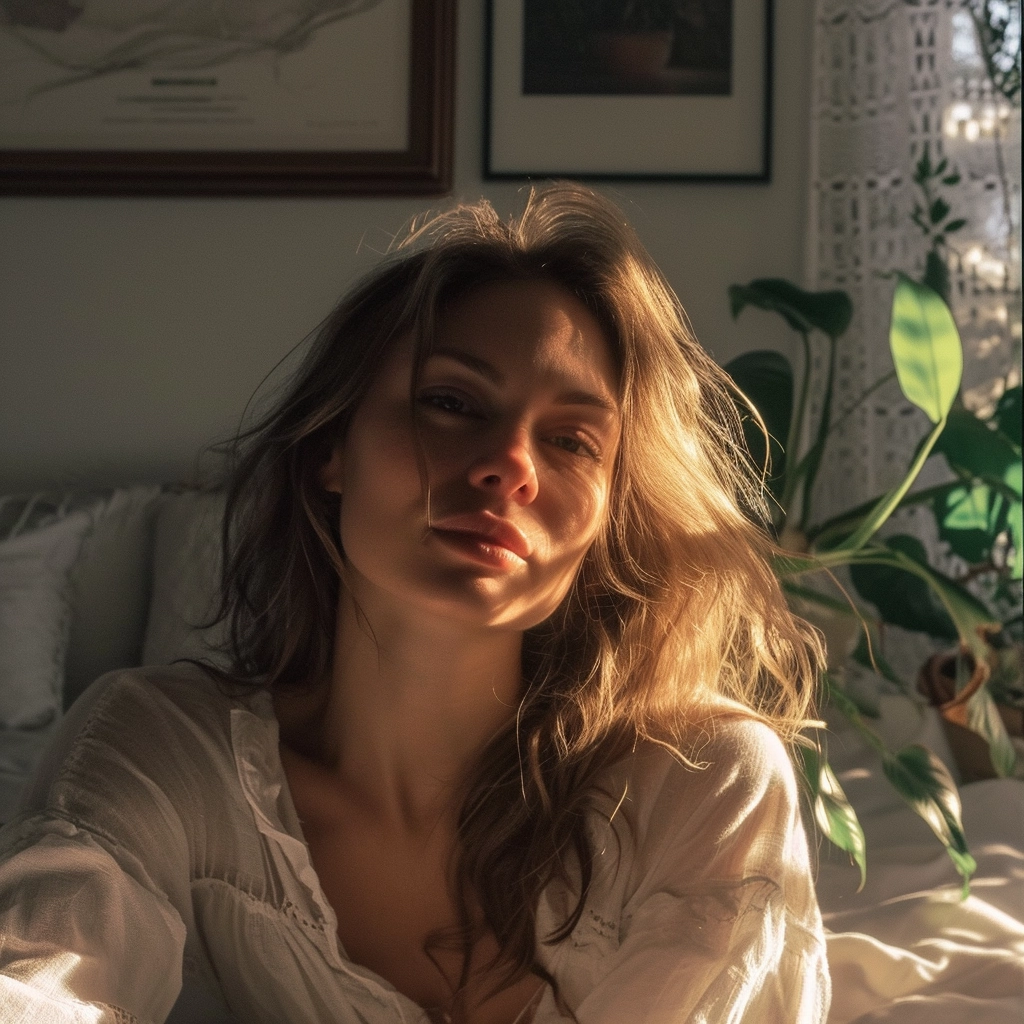
Welcome! I’m Andriana, a 25-year-old passionate meditation enthusiast who thrives on creativity and connection. With a heart that beats for the cinematic world and a mind that finds solace in the intricate dance of jigsaw puzzles, I craft stories that resonate and entertain.
This corner of the internet is my canvas, where life’s vibrant moments are painted with words and images. Join me as we explore the artistry in the everyday, from the silver screen’s glow to the simple joy of a puzzle piece perfectly placed. Let’s embrace the adventure of life together, with a touch of creativity and a lot of fun along the way.