
What is Alternate Nostril Breathing?
Alternate Nostril Breathing, known as Nadi Shodhana in Sanskrit, is a traditional yogic practice that focuses on balancing the body’s energies through controlled breathing techniques. This practice is a fundamental part of yoga and is often used as a preparatory exercise for meditation.
How is Alternate Nostril Breathing Performed?
The technique involves using the fingers to alternately close one nostril while breathing in and out through the other nostril. Here’s a step-by-step guide:
- Sit comfortably in a quiet space with your spine straight.
- Using your right thumb, gently close your right nostril.
- Inhale deeply and slowly through your left nostril.
- Close your left nostril with your right ring finger, releasing your right nostril.
- Exhale slowly through your right nostril.
- Inhale deeply through your right nostril.
- Close your right nostril and exhale through your left nostril.
- This completes one cycle. Repeat for several cycles.
What are the Benefits of Alternate Nostril Breathing?
Nadi Shodhana is often praised for its numerous health benefits, both physical and psychological. Here are some key benefits:
- Reduces Stress: The practice helps calm the nervous system, reducing stress and anxiety levels.
- Improves Focus: By balancing the brain’s hemispheres, it enhances concentration and mental clarity.
- Balances Energy: It is believed to balance the body’s energies, promoting a sense of harmony.
- Enhances Lung Capacity: Regular practice can improve respiratory function and lung capacity.
- Promotes Relaxation: The rhythmic nature of the breathing promotes a deep state of relaxation.
Is Alternate Nostril Breathing Suitable for Everyone?
While Alternate Nostril Breathing is generally safe for most individuals, certain conditions may require caution:
- Individuals with respiratory issues such as asthma should consult a healthcare provider before practicing.
- Pregnant women should practice with guidance, as certain techniques may not be suitable.
- Those with severe anxiety or panic disorders may find the practice triggering, and should approach it with care.
When is the Best Time to Practice Alternate Nostril Breathing?
This breathing technique can be practiced at any time of day, but certain times may enhance its effectiveness:
- Morning: To energize the body and mind for the day ahead.
- Midday: To refocus and rejuvenate during a busy day.
- Evening: To promote relaxation and prepare for restful sleep.
What Should You Keep in Mind While Practicing?
To maximize the benefits of Nadi Shodhana, consider the following tips:
- Practice in a quiet, comfortable environment.
- Maintain a straight posture to allow for better airflow.
- Focus on your breath and avoid distractions.
- Start with a few minutes and gradually increase the duration as you become more comfortable.
- If you feel lightheaded or dizzy, stop the practice and resume normal breathing.
Can Alternate Nostril Breathing Aid in Meditation?
Yes, many practitioners use Nadi Shodhana as a preparatory exercise for meditation. By calming the mind and balancing the body’s energies, it can create a conducive environment for deeper meditation. It helps to clear mental clutter, allowing for a more focused and tranquil meditative experience.
Are There Any Variations of Alternate Nostril Breathing?
Yes, several variations exist, including:
- Surya Bhedana: Involves inhaling through the right nostril and exhaling through the left, believed to energize the body.
- Chandra Bhedana: Involves inhaling through the left nostril and exhaling through the right, promoting calmness and relaxation.
Where Can You Learn More About Alternate Nostril Breathing?
If you are interested in learning more about Nadi Shodhana, consider exploring yoga classes, online tutorials, or consulting with a yoga instructor. Books and resources on yoga and pranayama (breathing techniques) also provide valuable insights into this ancient practice.
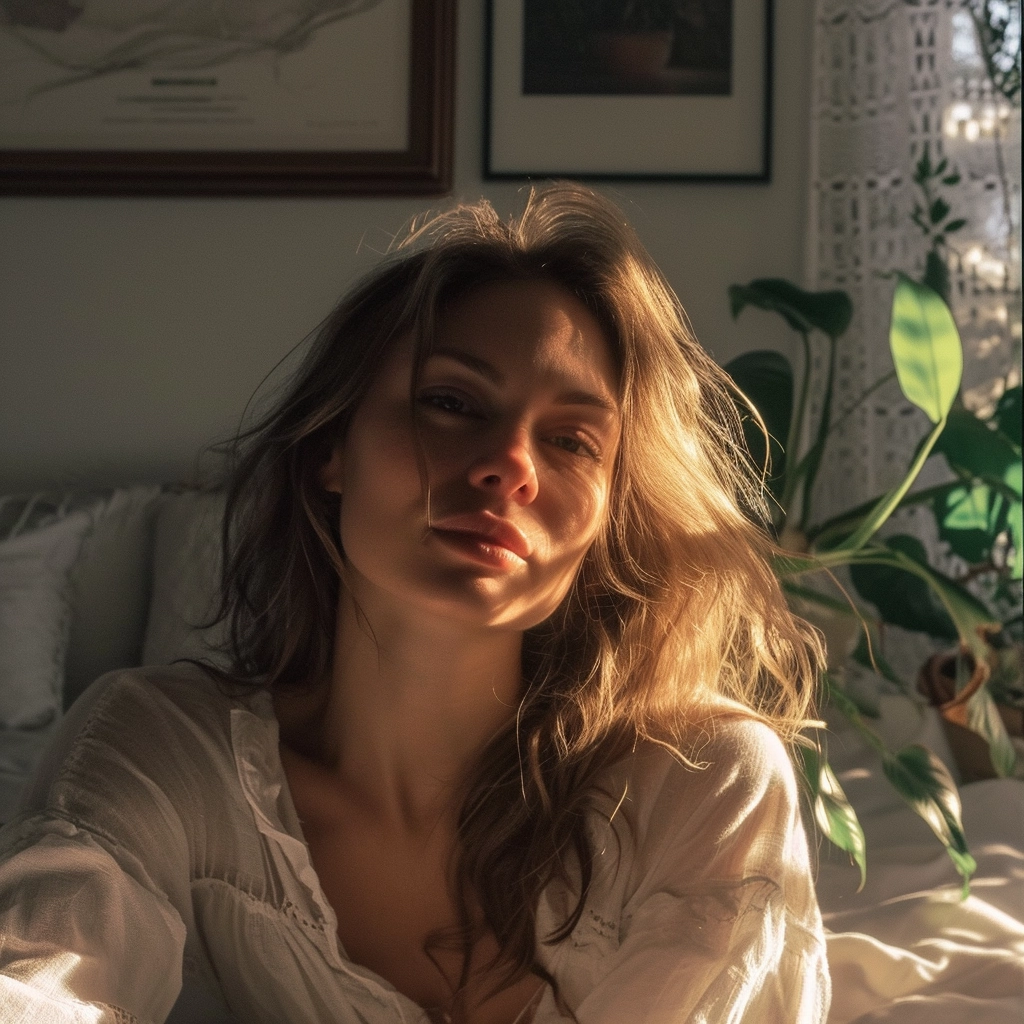
Welcome! I’m Andriana, a 25-year-old passionate meditation enthusiast who thrives on creativity and connection. With a heart that beats for the cinematic world and a mind that finds solace in the intricate dance of jigsaw puzzles, I craft stories that resonate and entertain.
This corner of the internet is my canvas, where life’s vibrant moments are painted with words and images. Join me as we explore the artistry in the everyday, from the silver screen’s glow to the simple joy of a puzzle piece perfectly placed. Let’s embrace the adventure of life together, with a touch of creativity and a lot of fun along the way.