

What is Restorative Yoga?
Restorative yoga is a gentle form of yoga that aims to relax the body and mind through passive stretching and supported postures. Unlike traditional yoga styles that emphasize strength and flexibility, restorative yoga focuses on deep relaxation and rejuvenation. The practice typically involves the use of props such as bolsters, blankets, and blocks to support the body in various poses, allowing practitioners to hold poses for extended periods.
What are the Benefits of Restorative Yoga?
- Reduces Stress: Restorative yoga activates the parasympathetic nervous system, promoting relaxation and reducing stress levels.
- Improves Sleep: Regular practice can help regulate sleep patterns and promote deeper sleep.
- Enhances Flexibility: Holding poses for longer durations gradually increases flexibility and range of motion.
- Promotes Mindfulness: The focus on breath and body awareness enhances mindfulness, helping to cultivate a present-moment awareness.
- Supports Recovery: Ideal for athletes or those recovering from injury, restorative yoga aids in muscle recovery and decreases tension.
What Does a Typical Restorative Yoga Sequence Look Like?
A restorative yoga sequence typically includes a series of calming poses held for several minutes. Here’s a sample sequence that can be practiced at home or in a class setting:
- Supported Child’s Pose (Balasana):
- Begin by kneeling on the mat, bring your big toes together, and sit back on your heels.
- Place a bolster or stack of blankets between your thighs and lower your torso onto it.
- Rest your forehead on the mat and breathe deeply for 5-10 minutes.
- Supported Bridge Pose (Setu Bandhasana):
- Lie on your back with your knees bent and feet flat on the floor.
- Lift your hips and place a bolster under your sacrum for support.
- Relax your arms at your sides and stay in this pose for 5-10 minutes.
- Reclining Bound Angle Pose (Supta Baddha Konasana):
- Lie on your back, bring the soles of your feet together, and let your knees fall open.
- Place pillows or blocks under your knees for support.
- Close your eyes and breathe deeply for 5-10 minutes.
- Supported Forward Fold (Paschimottanasana):
- Sit with your legs extended in front of you, and place a bolster on your thighs.
- Gently fold forward, resting your torso on the bolster.
- Stay here for 5-10 minutes, focusing on your breath.
- Savasana (Corpse Pose):
- Lie flat on your back with your legs extended and arms at your sides.
- Use a blanket under your head for comfort if needed.
- Close your eyes and focus on your breath for 10-15 minutes.
Who Can Practice Restorative Yoga?
Restorative yoga is suitable for individuals of all ages and fitness levels. It is particularly beneficial for:
- Those experiencing high levels of stress or anxiety.
- Individuals recovering from injuries or surgeries.
- People with chronic pain conditions.
- Athletes looking to enhance recovery.
- Anyone seeking a calming and restorative practice.
How Often Should One Practice Restorative Yoga?
Practicing restorative yoga 1-3 times a week can greatly enhance its benefits. However, even a short 15-20 minute session when feeling stressed or fatigued can be beneficial. Listening to your body and incorporating restorative practices as needed is key to maintaining overall well-being.
What Props are Needed for Restorative Yoga?
While restorative yoga can be practiced without props, using them enhances comfort and support. Common props include:
- Bolsters: Firm cushions that support various poses.
- Blankets: Provide warmth and additional support.
- Blocks: Help with alignment and support in poses.
- Straps: Assist in deepening stretches and maintaining alignment.
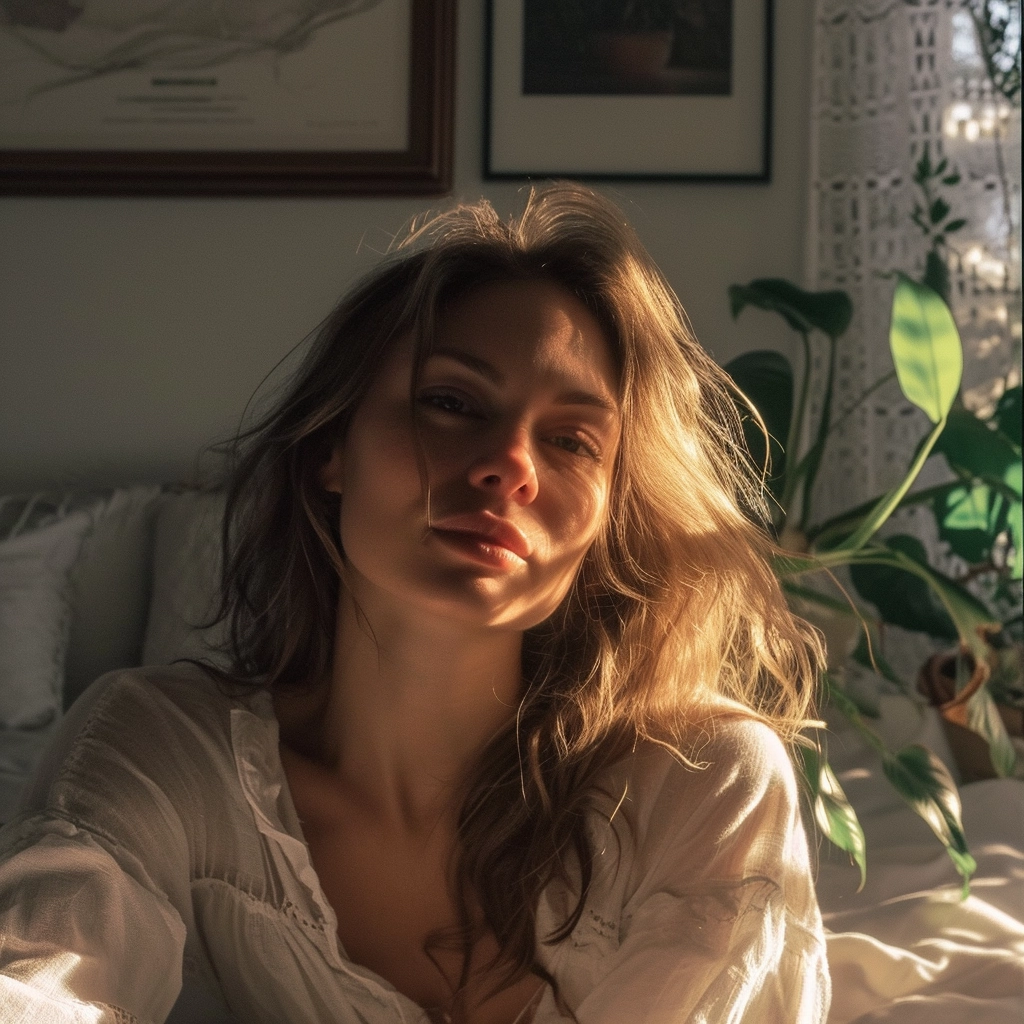
Welcome! I’m Andriana, a 25-year-old passionate meditation enthusiast who thrives on creativity and connection. With a heart that beats for the cinematic world and a mind that finds solace in the intricate dance of jigsaw puzzles, I craft stories that resonate and entertain.
This corner of the internet is my canvas, where life’s vibrant moments are painted with words and images. Join me as we explore the artistry in the everyday, from the silver screen’s glow to the simple joy of a puzzle piece perfectly placed. Let’s embrace the adventure of life together, with a touch of creativity and a lot of fun along the way.